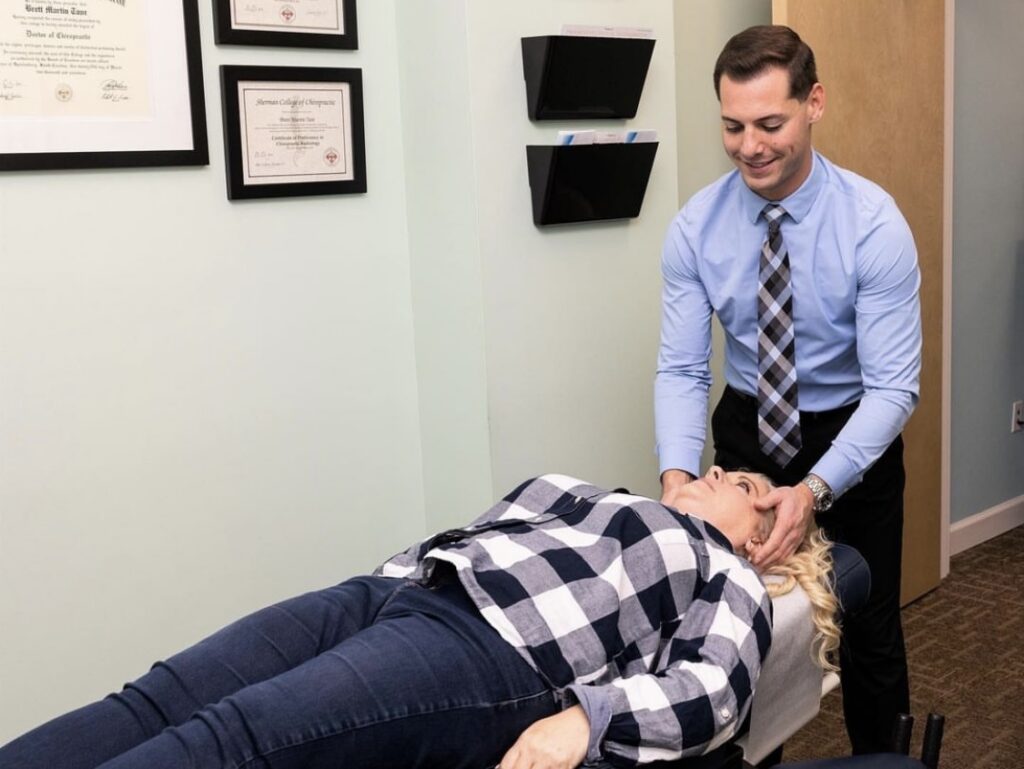
As a local chiropractor, I want to emphasize the importance of gentle techniques in recovering from a neck injury. It's crucial to approach your recovery thoughtfully, allowing your body to heal without adding unnecessary strain. Simple movements such as neck tilts and shoulder rolls can significantly enhance your flexibility and improve circulation, which are vital for healing.
However, it's not just about the right exercises and postures; relaxation methods play a crucial role too. Techniques like deep breathing and gentle stretching can help reduce tension and promote a sense of well-being. Additionally, knowing when to seek professional guidance is key. If you're feeling persistent discomfort or if the pain worsens, it's important to consult a chiropractor. We can provide personalized care tailored to your needs, helping you navigate your recovery journey effectively. Exploring these aspects of healing could truly transform your experience and support your path to wellness.
Understanding Neck Injuries
As a local chiropractor, I want to shed light on neck injuries and their impact on your everyday life. These injuries can feel overwhelming, similar to a heavy weight pressing down on you, disrupting not just your daily activities but also your sleep. It's essential to understand these injuries for a smoother recovery process.
Neck injuries often arise from various causes, including accidents, falls, or repetitive strain due to poor posture. You may notice symptoms such as pain, stiffness, or a limited range of motion. Recognizing these signs early is crucial, as it can lead you to the right path for healing.
When you experience a neck injury, it's important to identify its nature. Strains occur when muscles or tendons are stretched or torn, while sprains involve the ligaments. A common type of neck strain is whiplash, which usually happens due to sudden jerking movements, often seen in car accidents. Each injury can differ in severity, so accurately evaluating your symptoms is vital for effective treatment.
You might also find that neck injuries can lead to discomfort beyond just the neck. They can cause headaches, shoulder pain, or even tingling sensations in your arms. This is because the neck serves as a central hub connecting nerves and muscles from your head to your shoulders and spine.
Ignoring these symptoms can result in chronic pain and additional complications down the line. That's why, if you suspect you have a neck injury, I encourage you to consult a healthcare professional.
A chiropractor can help you understand the specifics of your condition and guide you toward natural treatment options. By gaining insight into your neck injury, you'll be better equipped to manage your recovery and restore your quality of life.
Let's work together to promote healing and well-being through chiropractic care!
Importance of Gentle Movements
As a local chiropractor, I want to emphasize the significance of gentle movements in your recovery from neck injuries.
These movements aren't just simple exercises; they're vital for promoting healing while alleviating pain and tension in the affected area.
By integrating gentle movements into your daily routine, you can harness your body's natural ability to heal and ultimately regain comfort.
Understanding this aspect of recovery can empower you to take charge of your healing process.
Promotes Healing Process
As a local chiropractor, I want to emphasize the importance of gentle movements in your healing journey from a neck injury. These movements are crucial for maintaining proper blood circulation, which is essential for delivering nutrients to the affected tissues.
By incorporating gentle exercises into your routine, you can support your body's natural ability to heal itself more effectively. It's important to remember that you don't need to push yourself too hard. Simple range-of-motion exercises can have a significant impact on your recovery.
For example, gently tilting your head from side to side or slowly rotating it can improve flexibility and prevent stiffness. This method not only aids in the healing process but also assists you in regaining your mobility over time.
Moreover, engaging in these gentle movements can promote the production of synovial fluid, which serves to lubricate your joints and enhance their overall functionality.
As you consistently practice these movements, you may start to notice a gradual improvement in the stability and strength of your neck, making your recovery journey smoother and more effective.
Reduces Pain and Tension
As a local chiropractor, I want to share some insights on how to find relief from pain and tension following a neck injury. Many people believe that complete rest is the best way to heal, but I encourage you to consider the benefits of gentle movements instead. Light and controlled exercises can actually play a significant role in alleviating discomfort and promoting recovery.
When you engage in gentle movements, you increase blood flow to the affected area, which is essential for healing and reducing stiffness. Incorporating stretches and simple neck rotations into your daily routine can make a world of difference. These movements are designed to promote flexibility and ease tension without placing strain on your muscles.
It's important to emphasize the need for slow and deliberate motions. Your body will appreciate the time to adjust, so listen to it carefully—if you experience any pain, it's crucial to stop and modify the movement.
In addition to physical movements, practicing deep breathing while you stretch can enhance your experience by further relieving tension. The combination of mindful movement and breath creates a calming effect that benefits both your body and mind.
Consistency is vital; even dedicating just a few minutes each day to gentle movement can lead to significant improvements over time. As you incorporate these techniques into your routine, you may notice a reduction in pain and an enhancement in your overall neck function.
I encourage you to embrace these gentle movements as a pathway to a more comfortable, pain-free life. If you have any questions or would like to explore more about natural healing and chiropractic care, don't hesitate to reach out!
Recommended Gentle Exercises
As your local chiropractor, I want to emphasize the importance of incorporating gentle exercises into your recovery routine to alleviate neck pain and restore mobility. These exercises are designed to stretch and strengthen your neck muscles without putting undue strain on your body.
Let's explore three effective exercises that I recommend:
- Neck Tilts: Begin by sitting or standing in a comfortable position. Slowly tilt your head towards one shoulder, holding this position for 15-30 seconds. Then, repeat on the other side. This simple movement stretches the muscles along the sides of your neck, promoting flexibility and relief from tension.
- Chin Tucks: While in a seated or standing position, gently tuck your chin in toward your chest, as if you're trying to create a double chin. Hold this position for about 5 seconds, then relax. This exercise is excellent for strengthening your neck muscles and enhancing your posture, which can help prevent future discomfort.
- Shoulder Rolls: With your arms relaxed at your sides, either stand or sit comfortably. Roll your shoulders forward in a circular motion for 10 repetitions, then switch to rolling them backward. This exercise alleviates tension in the shoulders and improves blood flow to the neck area, contributing to overall neck health.
As you perform these exercises, it's crucial to do so slowly and mindfully, paying attention to how your body responds. If you experience any discomfort during these movements, please stop immediately and consult with me or another healthcare professional.
Proper Posture Techniques
As your local chiropractor, I want to emphasize the significant role proper posture plays in your recovery from neck injuries. Many people may not realize how vital ergonomic alignment is for healing. By focusing on maintaining proper posture throughout your day, incorporating daily stretching routines, and adopting mindful sitting habits, you can significantly reduce discomfort and facilitate your healing process.
Let's dive into how these techniques work. Ergonomic alignment refers to positioning your body in a way that minimizes strain on your muscles and joints. This can be as simple as adjusting your workspace to ensure your computer screen is at eye level or using supportive seating.
Daily stretching is equally important. Gentle stretches can improve flexibility and reduce tension in the neck area, helping to release tight muscles and promote better blood flow, which is crucial for recovery.
Finally, being mindful of how you sit—whether at your desk, in your car, or on the couch—can make a world of difference. Proper sitting habits help maintain the natural curve of your spine and prevent additional strain on your neck.
Importance of Ergonomic Alignment
As you work towards recovering from a neck injury, it's essential to understand how ergonomic alignment plays a crucial role in your healing journey. Proper posture isn't just about looking good; it's about supporting your neck and spine, which can significantly reduce strain and promote a faster recovery.
By prioritizing ergonomic principles, you can create a supportive environment that aids in your healing process and helps prevent further injuries.
Here are three important aspects to consider for maintaining ergonomic alignment in your daily activities:
- Chair Height: Ensure that your chair is adjusted so your feet rest flat on the floor and your knees are level with your hips. This alignment supports your lower back and helps you maintain a neutral spine, which is vital for overall spinal health.
- Screen Position: Your computer screen should be at eye level. This positioning helps you avoid straining your neck by tilting your head up or down, which can worsen your pain and delay recovery. Keeping the screen at the right height allows your neck to remain relaxed and supported.
- Keyboard and Mouse Placement: It's important to keep your keyboard and mouse close to your body. Your elbows should be naturally bent and close to your sides, while your wrists should stay in a neutral position. This setup reduces tension in your shoulders and neck, making it easier for you to work without discomfort.
By following these ergonomic guidelines, you can create a healthier workspace that supports your recovery and enhances your overall well-being.
Daily Stretching Practices
As a local chiropractor dedicated to your health and wellness, I want to emphasize the importance of daily stretching practices, especially when it comes to recovering from neck injuries. Engaging in these simple yet effective stretches can significantly enhance your flexibility, reduce tension, and support your overall healing process.
Let's start with a fundamental stretch: gentle neck tilts. Find a comfortable seated or standing position, and gently lower your right ear toward your right shoulder. Hold this position for 15-30 seconds, then switch to the left side. This stretch is excellent for releasing tightness in the muscles of your neck.
Next, I recommend incorporating chin tucks into your routine. While maintaining an upright posture, gently tuck your chin toward your chest. You should feel a stretch in the back of your neck. Hold this for about 5 seconds before releasing. This exercise is particularly beneficial for improving neck alignment.
Shoulder rolls are another essential stretch to include. Raise your shoulders toward your ears, then roll them back and down. Repeat this several times to help alleviate tension in your upper back and neck, which are often affected by stress and poor posture.
Additionally, consider upper back stretches to further enhance your recovery. Clasp your hands together and extend them forward while rounding your upper back. This motion opens up your chest and promotes better posture, which is crucial for neck health.
I encourage you to perform these stretches daily, ideally multiple times throughout the day. Consistency is vital for improving your neck's flexibility and overall well-being. Always listen to your body and adjust the stretches as needed to ensure comfort.
Mindful Sitting Habits
As a local chiropractor dedicated to promoting natural healing and spinal health, I want to emphasize the importance of maintaining mindful sitting habits. Proper sitting techniques can significantly reduce the risk of neck injuries and contribute to your overall well-being.
When you adopt the right posture, you minimize strain on your neck and spine, allowing your body to remain aligned and relaxed. Here are three simple yet effective techniques to help you improve your sitting habits:
- Adjust Your Chair: It's crucial to ensure that your chair provides adequate support for your lower back. If your chair lacks proper lumbar support, consider using a small cushion or a lumbar roll. This will help you maintain the natural curve of your spine, which is vital for preventing discomfort and injury.
- Position Your Screen: The placement of your computer screen can greatly impact your neck's health. Ideally, your screen should be at eye level, so you don't have to tilt your head up or down. Aim to keep the top of the screen at or just below your eye level, and adjust the height of your chair accordingly. This simple adjustment can alleviate unnecessary strain on your neck.
- Feet on the Floor: Keeping your feet flat on the ground or resting them on a footrest is essential for maintaining proper alignment of your hips and spine. This position helps to reduce pressure on your neck and promotes better overall posture.
By incorporating these mindful sitting habits into your daily routine, you can take proactive steps toward protecting your spine and enhancing your overall health.
Relaxation and Breathing Methods
As a local chiropractor, I want to share how relaxation and breathing techniques can significantly aid in your recovery from a neck injury. These methods aren't just for relaxation; they play a vital role in reducing muscle tension, improving blood circulation, and fostering a sense of calm—key elements in the healing process.
To start, find a comfortable position, whether you're sitting in a chair or lying down. Close your eyes and take a moment to quiet your mind. Begin with deep breathing: slowly inhale through your nose, letting your abdomen expand, and then gently exhale through your mouth. This practice increases oxygen-rich blood flow to your muscles, which can help relieve tightness and discomfort in your neck.
While you're breathing, focus your attention on your neck and shoulders. Picture warmth and relaxation washing over these areas with each breath. You might also consider trying progressive muscle relaxation—gently tense the muscles in your neck and shoulders for a few seconds, then release the tension. This technique helps you become more aware of the difference between tension and relaxation, making it easier to consciously let go of stress.
Incorporating mindfulness into your breathing practice can amplify its effects. Be aware of how your body feels with each breath, and notice any areas that are holding onto discomfort. Consciously relax those areas as you breathe.
By consistently practicing these relaxation and breathing methods, you may find your neck injury recovery becomes not only smoother but also more manageable, leading to an enhanced sense of overall well-being.
At our chiropractic clinic, we emphasize the importance of a holistic approach to healing. By integrating these relaxation techniques into your recovery plan, alongside chiropractic adjustments, you can support your body's natural healing processes and ultimately achieve better health outcomes.
Heat and Cold Therapy
As a local chiropractor dedicated to your health and recovery, I want to share some valuable insights about heat and cold therapy that can play a significant role in your neck injury recovery. These natural healing methods offer unique advantages that can alleviate pain and reduce inflammation, paving the way for a smoother healing process.
- Cold Therapy: When you experience a neck injury, using ice packs or cold compresses can be incredibly beneficial. Cold therapy helps minimize swelling and numbs any sharp pain you may be feeling. I recommend applying cold therapy for 15-20 minutes at a time, particularly within the first 48 hours after your injury. Just remember to wrap your ice packs in a cloth to protect your skin from frostbite.
- Heat Therapy: Once the initial swelling subsides, heat therapy becomes a great ally in your recovery. Applying heat can promote blood circulation and help relax tight muscles, which is essential for healing. You can use a warm towel, a heating pad, or even enjoy a warm bath. Aim for 15-30 minutes of heat application, ensuring the temperature is comfortable and not too hot to avoid burns.
- Alternating Therapies: For some, alternating between heat and cold can yield the best results. Start with cold therapy to tackle inflammation and then transition to heat for muscle relaxation. This combination can effectively manage pain and increase your overall comfort.
Incorporating these therapies into your daily routine can significantly enhance your recovery journey. Pay attention to your body and adjust the timing and methods based on how you feel.
With consistency and care, you can work towards a more comfortable and effective recovery process. Remember, I'm here to support you every step of the way on your path to healing!
When to Seek Professional Help
As a local chiropractor, I want to emphasize the importance of knowing when to seek professional help for your neck injury recovery. While heat and cold therapy can significantly alleviate discomfort, there are certain situations where visiting a chiropractor or other healthcare professional is crucial.
If you're experiencing severe or persistent pain that doesn't seem to improve with home remedies, it's a good idea to come in for an evaluation. This could indicate a more serious issue, such as a fracture or nerve involvement.
Pay attention to any symptoms like numbness, tingling, or weakness in your arms or hands. These sensations can signal nerve compression or injury, which requires prompt attention to prevent further complications.
Additionally, if your neck pain is accompanied by headaches, dizziness, or changes in vision, don't hesitate to reach out to a chiropractor or your primary care doctor.
Another clear sign that it's time to seek professional help is difficulty performing everyday activities—like turning your head, lifting objects, or even just getting comfortable. A chiropractor can provide a thorough assessment of your condition and may recommend diagnostic tests, such as X-rays or MRIs, to better understand your injury.
Lastly, if you notice your symptoms worsening despite following treatment protocols, it's essential to get professional guidance. Early intervention is key to preventing long-term complications and aiding a quicker recovery.
Tips for Daily Living Adjustments
As a local chiropractor, I want to share some valuable insights on how you can support your recovery from a neck injury through simple daily adjustments.
By being mindful of your movements and your environment, you can significantly reduce strain on your neck and promote healing. Here are three practical tips to help you navigate everyday activities with greater comfort:
1. Create an Ergonomic Workspace: It's essential to set up your workspace in a way that supports your neck health.
Make sure your computer monitor is at eye level to prevent straining your neck. Additionally, choose a chair that provides good back support. If you spend a lot of time on the phone, I recommend using a headset to avoid the common habit of cradling the phone between your neck and shoulder, which can exacerbate your injury.
2. Incorporate Gentle Stretching: Adding gentle neck stretches to your daily routine can be incredibly beneficial.
Simple movements, such as tilting your head side to side or gently rolling your shoulders, can help alleviate tension and enhance flexibility. However, always listen to your body—if a stretch causes pain, it's important to stop and consult with a professional.
3. Be Mindful of Your Posture: Good posture plays a critical role in your recovery process.
Whether you're sitting, standing, or walking, strive to maintain proper alignment. Keep your shoulders relaxed and aligned over your hips. When seated, ensure your feet are flat on the floor and your back is straight against the chair. This will help reduce strain on your neck and support your overall well-being.
By implementing these adjustments, you can create a more supportive environment for your neck injury recovery.
If you have any questions or need personalized advice, don't hesitate to reach out. Your journey towards healing is important to us!
Conclusion
As a local chiropractor, I want to emphasize the importance of incorporating gentle techniques into your neck injury recovery. These approaches can significantly enhance your healing process. By engaging in gentle movements, practicing proper posture, and employing relaxation methods, you can promote flexibility and alleviate discomfort in your neck.
It's crucial to listen to your body during this time. Pay attention to how you feel and be willing to adjust your activities as needed. If you find that pain or discomfort persists, please don't hesitate to reach out for professional help. Chiropractic care focuses on natural healing and can provide you with tailored strategies to support your recovery.
With patience and consistency in your approach, you have the potential to achieve a smoother recovery and restore your neck's strength and mobility. Together, we can work towards helping you feel your best.