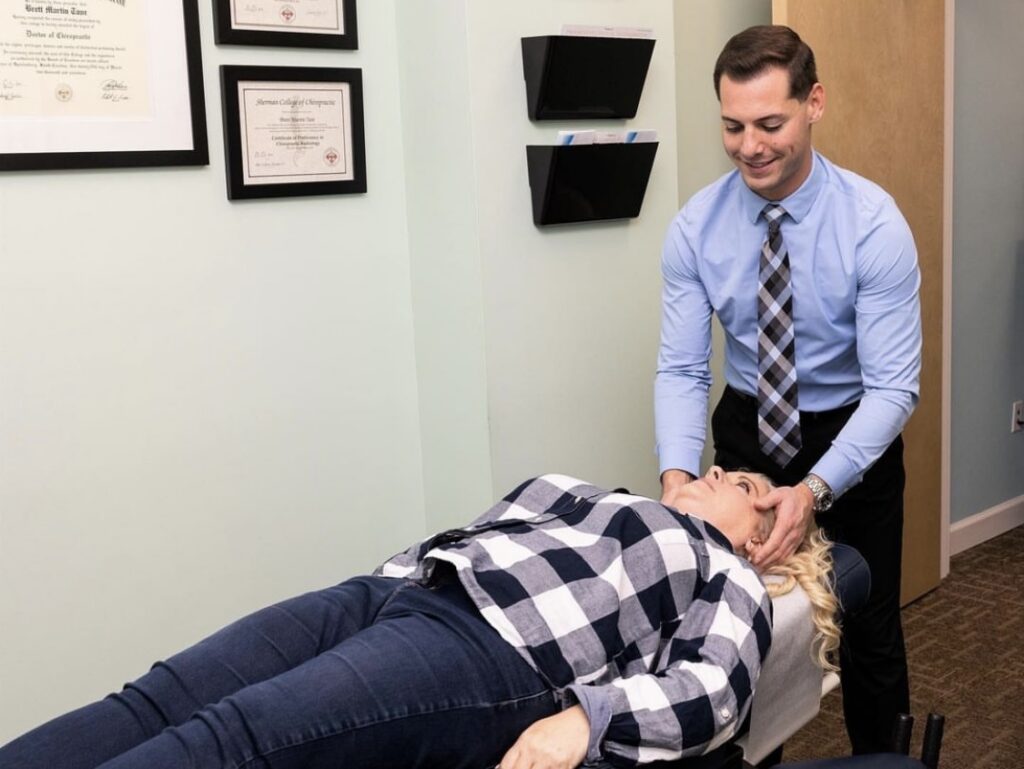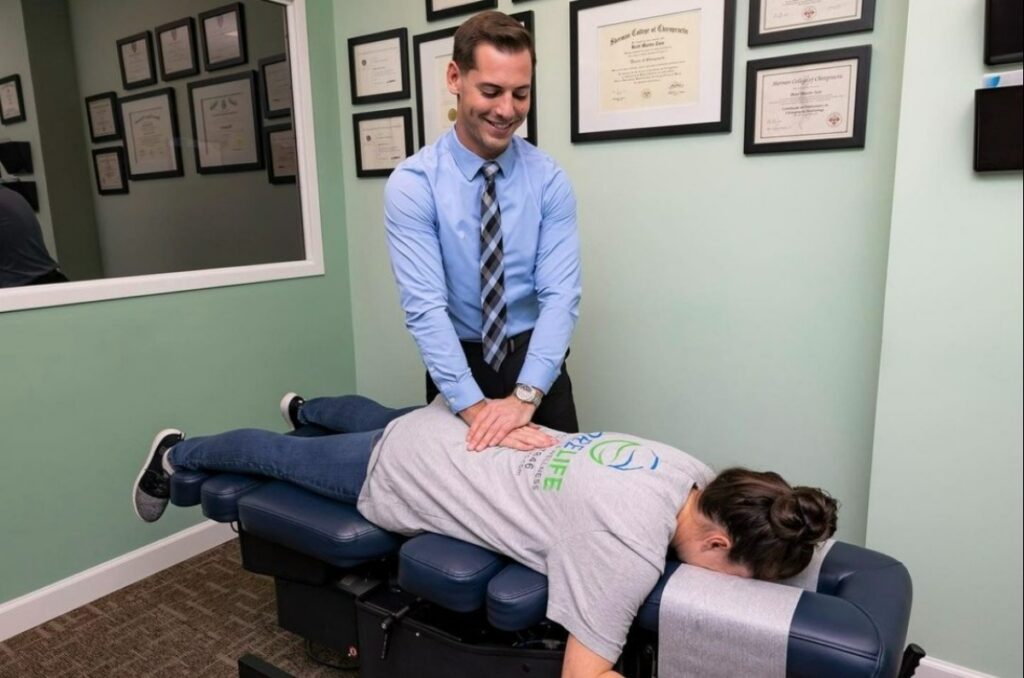
As a local chiropractor, I want to reassure you that you're not alone in your struggle with back pain. This condition can significantly impact your daily life and overall health. Many individuals feel overwhelmed by the numerous treatment options and advice available, but understanding your unique situation is essential for finding the relief you deserve.
At our practice, we focus on identifying the common causes of your back pain and exploring effective, natural therapies tailored to your needs. Chiropractic care is a holistic approach that aims to restore proper alignment and function to your spine, which can alleviate pain and improve your overall quality of life.
You might be surprised to learn that simple lifestyle changes can also play a significant role in managing your pain. By incorporating practices such as proper posture, regular exercise, and stretching, you can enhance the effectiveness of your chiropractic treatments.
Let's embark on this journey together to discover the best solutions for your back pain and explore how chiropractic care can help you achieve a healthier, pain-free life.
Understanding Back Pain
As a local chiropractor, I want to shed light on the common yet complex issue of back pain, which affects nearly 80% of adults at some point in their lives. Many of you might experience it as a dull ache or a sharp stab, and the intensity can vary greatly. By understanding what back pain entails, you can take effective steps toward relief.
Let's consider the structure of your back. Your spine consists of vertebrae, intervertebral discs, muscles, and nerves, all of which play a crucial role in your overall back health. When any part of this system is strained, injured, or degenerating, it can lead to discomfort.
You may notice that your pain changes based on your daily activities, posture, and even your emotional well-being. For instance, stress can lead to muscle tightness, which may exacerbate your pain.
It's essential to listen to your body and recognize the signs it's giving you. Ignoring these signals can lead to chronic pain. I encourage you to understand your limits and practice good posture, as these habits can significantly impact your comfort levels.
Staying active is also crucial; gentle exercises can strengthen your back and improve flexibility, potentially reducing pain over time.
Understanding back pain from a chiropractic perspective means being aware of how your body functions and responding appropriately to its signals. By adopting a proactive approach to your health, you can better manage and alleviate your discomfort.
This not only paves the way for relief but also promotes a healthier, more active lifestyle. If you're curious about how chiropractic care can assist you in this journey, I'm here to help guide you.
Common Causes of Back Pain
As your local chiropractor, I want to help you understand the common causes of back pain and how chiropractic care can play a vital role in your recovery. Many of my patients come to me with back pain stemming from muscle strains or ligament sprains, often caused by overexertion or improper lifting techniques.
If you've recently moved heavy furniture or participated in strenuous activities without adequately warming up, it's quite possible that your back is feeling the repercussions.
Another significant factor contributing to back pain is poor posture. If you find yourself sitting for long periods at a desk, your spine may not be in its ideal alignment, which can lead to discomfort.
I encourage you to assess your sitting habits and ensure that your workspace is ergonomically designed to provide support for your back.
Herniated discs are also a common issue I see in my practice. When the cushioning between your vertebrae bulges or ruptures, it can put pressure on nearby nerves, resulting in pain that may radiate down into your legs.
Additionally, as we age, changes in our spine, such as degenerative disc disease, can lead to increased discomfort.
Inflammation and stiffness in the joints of your spine, often due to conditions like arthritis, can further exacerbate back pain.
It's also important to recognize that emotional stress can manifest physically; it can tighten your muscles and create tension in your back.
Lastly, carrying excess weight can place additional strain on your back, leading to chronic pain.
By understanding these common causes, we can work together to address them through natural healing methods, including chiropractic adjustments, lifestyle modifications, and exercises tailored to your needs.
Let's embark on this journey towards relief and improved well-being together!
Symptoms to Watch For
As a local chiropractor, I want to help you understand the importance of recognizing certain symptoms when it comes to back pain.
It's crucial to be aware of signs that may indicate a more serious issue. Pay close attention to the common pain you feel, any radiating discomfort that spreads to other areas, and any limitations in your mobility.
By identifying these indicators early on, you can seek the appropriate care and prevent any further complications.
Remember, chiropractic care focuses on natural healing and addressing the root cause of your discomfort, so don't hesitate to reach out if you notice any concerning symptoms.
We're here to support you on your journey to better health!
Common Pain Indicators
As a local chiropractor, I want to help you understand some common indicators of back pain that can guide you toward effective relief. Many people experience a variety of symptoms, but certain signs tend to stand out.
First, pay attention to any localized pain in your lower back that feels sharp, aching, or throbbing. This discomfort can vary in intensity and might make it difficult for you to go about your daily activities.
Stiffness is another key indicator that something may be amiss. If you find it challenging to bend or twist your body comfortably, it could point to an underlying issue that chiropractic care can address.
Additionally, muscle spasms may occur as sudden, involuntary contractions that can be quite painful.
You might also notice that your pain intensifies with specific movements or after sitting or standing for extended periods. It's important to keep track of these patterns, as they can provide valuable insights for both you and your chiropractor in determining the most effective treatment plan.
Lastly, don't dismiss any feelings of fatigue, as chronic pain can leave you feeling exhausted.
Radiating Pain Symptoms
Experiencing radiating pain can be more than just a minor annoyance; it often indicates underlying issues that may need attention. As a chiropractor, I want to help you understand the significance of these symptoms and how they relate to your overall health.
Here are three important signs that may be linked to radiating pain:
- Pain that travels: If you're feeling discomfort that starts in your back and seems to radiate to your legs, arms, or other areas, it's crucial to take note. This pattern can suggest that your nerves are being affected, and addressing this early can prevent further complications.
- Tingling or numbness: Have you noticed any tingling or numbness accompanying your pain? This could indicate that your nerves are compressed or irritated. Conditions like sciatica often present with these symptoms, and they're a signal that your body needs attention.
- Weakness in limbs: If you find yourself experiencing weakness in your arms or legs, it's important to pay close attention. This could be a sign of a more serious condition, such as a herniated disc or spinal stenosis, which can impact your mobility and quality of life.
If you're experiencing any of these symptoms, I encourage you to reach out for a consultation.
As a chiropractor, I focus on natural healing methods that can help restore balance to your body and alleviate discomfort. Early intervention is key to improving your situation and getting you back to feeling your best.
Mobility Limitations to Note
As your local chiropractor, I want to help you understand how mobility limitations can significantly affect your daily life and the importance of recognizing the symptoms that may indicate an underlying issue.
If you're experiencing stiffness in your back or hips, you might find that basic tasks such as bending or reaching become increasingly difficult. It's common to encounter pain or discomfort when twisting your torso, which can hinder your ability to carry out everyday activities.
Keep an eye out for signs like difficulty getting up from a seated position or feeling unsteady while walking. These symptoms may point to issues that need attention.
You might also notice a decrease in your range of motion; for example, struggling to touch your toes or lift your arms overhead without discomfort can be a signal from your body that something isn't right.
If you start to feel pain with certain movements or experience persistent discomfort that limits your activities, I encourage you to seek guidance from a healthcare professional.
Early intervention through chiropractic care can help address these concerns, prevent further complications, and assist you in regaining your mobility.
Don't ignore these signs; recognizing them is the first step towards finding relief and improving your overall quality of life.
Diagnostic Methods
As a local chiropractor, I want to help you understand the importance of proper diagnostic methods when it comes to back pain. Many people may not be familiar with how we approach this issue in chiropractic care.
Imaging techniques such as X-rays or MRIs can be incredibly useful in identifying any underlying structural problems in your spine or surrounding areas. However, it's equally important to conduct a thorough physical examination to determine the specific source of your discomfort.
By combining these two approaches—advanced imaging and hands-on assessment—we can gain a comprehensive understanding of your condition. This allows us to tailor a natural and effective treatment plan that addresses your unique needs.
My goal is to guide you on your healing journey and empower you with knowledge about your body. Let's work together to find the best path toward relief and wellness.
Imaging Techniques Explained
As your local chiropractor, I want to help you understand how imaging techniques can play a crucial role in diagnosing the root causes of your back pain.
These tools allow both you and me to visualize what's happening inside your body, providing essential insights that guide our natural healing approach.
Here are three common imaging methods that might come into play during your care:
- X-rays: Typically, we start here. X-rays are great for revealing issues like bone fractures, signs of arthritis, or misalignments in your spine. However, keep in mind that they don't show us any soft tissue concerns.
- MRI (Magnetic Resonance Imaging): If we suspect there might be problems with your discs, nerves, or spinal cord, an MRI might be the next step. This advanced imaging technique uses magnets and radio waves to create detailed pictures of your soft tissues, helping us identify conditions like herniated discs or nerve compression.
- CT Scans (Computed Tomography): A CT scan is more comprehensive; it combines multiple X-ray images taken from various angles to provide a detailed view of your spine. This method is particularly useful for identifying complex fractures or tumors.
By understanding these imaging techniques, you can feel more empowered in your journey to relief.
They're essential tools that help us pinpoint the source of your discomfort and develop effective, natural treatment strategies tailored to your needs.
Your health and wellness are my top priorities, and together we can work towards achieving a pain-free life.
Physical Examination Importance
As a local chiropractor, I want to emphasize the significance of a physical examination in understanding and addressing your back pain. When you come to my office, I'll perform a comprehensive physical exam to assess your situation holistically. This hands-on evaluation is crucial for pinpointing the root causes of your discomfort, whether they stem from muscular, skeletal, or nerve-related issues.
During the examination, I'll carefully observe your posture, evaluate your range of motion, and test your muscle strength. I'll also inquire about the specifics of your pain—where it's located, how intense it is, and what activities seem to exacerbate or relieve it. This information is essential, as it allows me to tailor the most effective treatment plan for you.
It's important to understand that without a thorough physical examination, the risk of misdiagnosis increases significantly. While imaging techniques like X-rays or MRIs can provide useful insights, they often don't capture the full picture. A physical exam enhances these diagnostic methods, ensuring that you receive a comprehensive assessment and appropriate care.
Ultimately, dedicating time to a detailed physical examination is a vital step toward effective treatment. By gaining a deeper understanding of your body's unique mechanics and challenges, we can collaborate to create a personalized plan aimed at alleviating your back pain and enhancing your overall quality of life.
Embracing chiropractic care and natural healing can be a transformative journey toward wellness.
Treatment Options Available
As a local chiropractor dedicated to helping you understand your options for back pain relief, I want to share some effective pathways to healing that emphasize natural and holistic approaches. Back pain can be daunting, but you don't have to navigate it alone. Here are three key treatment options that may provide relief:
1. Chiropractic Care: One of the most effective ways to address back pain is through chiropractic adjustments. By realigning the spine and ensuring proper function of the nervous system, chiropractic care can alleviate pain, improve mobility, and enhance overall well-being.
Regular adjustments can also help prevent future issues by promoting better posture and spinal health.
2. Physical Therapy: In conjunction with chiropractic care, physical therapy can be beneficial. Engaging in targeted exercises and stretches under the guidance of a qualified therapist can strengthen your back muscles, enhance flexibility, and support your recovery.
This collaborative approach ensures that you're not only addressing your current pain but also building a foundation for long-term health.
3. Alternative Therapies: Many patients find relief through complementary therapies such as acupuncture or massage therapy. These treatments can effectively reduce muscle tension and promote relaxation, addressing the root causes of discomfort.
Incorporating these approaches can enhance the benefits of chiropractic care and help you achieve optimal results.
As you consider these options, I encourage you to consult with me or another qualified healthcare professional. Together, we can determine which therapies align best with your individual needs and lifestyle.
Lifestyle Changes for Relief
As a local chiropractor, I want to share with you how simple lifestyle changes can significantly alleviate your back pain.
One of the first steps is to create an ergonomic work environment. This means arranging your workspace in a way that supports your spine and promotes good posture.
Additionally, staying physically active is crucial; regular movement helps strengthen the muscles that support your back and improve your overall flexibility.
It's also important to adopt healthy eating habits, as the right nutrition can aid in maintaining a healthy weight and reducing strain on your spine.
By incorporating these adjustments into your daily routine, you can experience lasting relief from back pain and enhance your overall well-being.
Let's work together to make these changes for a healthier, pain-free life!
Ergonomic Work Environment
As a local chiropractor dedicated to helping you achieve optimal health and well-being, I want to emphasize the importance of creating an ergonomic work environment. A well-designed workspace can significantly alleviate back pain and enhance your comfort during those long hours spent at a desk.
By implementing a few simple adjustments, you can foster a supportive environment that promotes proper posture and minimizes strain on your body. Here are three crucial aspects to consider:
- Chair Height: It's vital to ensure your chair is set at the right height so that your feet rest flat on the floor and your knees are at a 90-degree angle. A chair equipped with proper lumbar support is key to maintaining the natural curvature of your spine, which can help prevent discomfort and pain.
- Desk Setup: Positioning your monitor at eye level, approximately an arm's length away, is essential to avoid straining your neck. Additionally, your keyboard and mouse should be within easy reach, allowing your elbows to remain comfortably bent at around a 90-degree angle. This setup not only promotes good posture but can also prevent repetitive strain injuries.
- Breaks and Movement: Don't underestimate the power of regular breaks throughout your workday. Standing up, stretching, or taking a brief walk every hour can significantly reduce muscle tension and fatigue.
These small movements help keep your blood circulation flowing and your muscles engaged, which is vital for overall health.
By making these adjustments to your work environment, you can support your body and enhance your well-being. Remember, chiropractic care is also here to help you maintain a healthy spine and alleviate any discomfort you may experience.
Together, we can work towards a pain-free and healthier lifestyle.
Regular Physical Activity
As a chiropractor, I want to emphasize that creating an ergonomic work environment is crucial for alleviating back pain, but it's equally important to incorporate regular physical activity into your daily routine for optimal health and well-being.
Engaging in consistent exercise can significantly strengthen your core muscles, which play a vital role in supporting your spine. A strong core reduces the strain on your back, ultimately leading to less discomfort.
I encourage you to find physical activities that you genuinely enjoy, such as walking, swimming, or cycling. Aim for at least 150 minutes of moderate-intensity aerobic exercise each week, and don't forget to include strength-training exercises twice a week.
Stretching should also be a part of your routine; it enhances flexibility and helps prevent injuries. Simple stretches can alleviate tension in your back and promote better posture, which is essential for your overall spinal health.
It's important to listen to your body and adjust your exercise routines as necessary. If you experience any pain during a specific activity, please stop immediately and consult with a healthcare professional, like myself, to discuss your symptoms.
Remember to ease into any new exercise regimen to prevent overexertion, which could exacerbate your pain.
Healthy Eating Habits
As a local chiropractor, I want to emphasize how incorporating healthy eating habits into your daily routine can significantly aid in your back pain relief efforts. The foods you choose to consume play a vital role in either contributing to inflammation or helping to reduce it.
By focusing on nutrient-rich options, you can support your body's natural healing process and potentially alleviate some of your discomfort.
Here are three healthy eating habits that I encourage my patients to adopt:
- Increase Omega-3 Fatty Acids: Including foods rich in Omega-3s, such as salmon, walnuts, and flaxseeds, can be beneficial. These foods are known for their anti-inflammatory properties and can promote joint health, which is crucial for those experiencing back pain.
- Stay Hydrated: Adequate hydration is essential for maintaining the health of your spinal discs. I recommend aiming for at least eight glasses of water a day. Staying well-hydrated helps keep your body functioning optimally and can support your overall recovery process.
- Limit Processed Foods: It's important to cut down on sugars and trans fats that are often found in processed foods. These ingredients can lead to increased inflammation in the body, which may worsen your back pain.
By choosing whole, unprocessed foods, you can help minimize inflammation and support your healing journey.
The Role of Physical Therapy
As a local chiropractor, I want to share with you the vital role that chiropractic care plays in alleviating back pain. Our approach focuses on not only treating the symptoms but also addressing the root causes of your discomfort. When you visit our practice, we'll conduct a thorough assessment to understand your unique condition and develop a personalized treatment plan that meets your specific needs.
Chiropractic care often begins with spinal adjustments, which help realign your vertebrae and improve your overall spinal health. This realignment can relieve tension in the muscles surrounding your spine, ultimately leading to reduced pain and improved mobility.
In addition, we may incorporate specific exercises designed to strengthen your core muscles, which play a key role in stabilizing your spine and preventing future injuries. Flexibility is another important aspect of your recovery. We'll guide you through tailored stretching routines that enhance your flexibility, allowing you to move more freely throughout your daily activities.
Moreover, we emphasize the importance of proper body mechanics; learning how to lift and bend correctly can significantly decrease strain on your back. Posture is also a crucial element of our chiropractic care. We'll work with you to develop healthier posture habits, which can alleviate pressure on your spine and help reduce pain.
In some cases, we may recommend complementary therapies such as heat or ice application, which can provide immediate relief and support your recovery process. As you progress in your treatment, we'll closely monitor your improvements and adjust your plan as needed to ensure you remain challenged and engaged.
Alternative Therapies to Consider
As a local chiropractor, I want to share some alternative therapies that can complement your chiropractic care and enhance your journey toward back pain relief.
These therapies not only address pain but also promote your overall well-being. Here are three options you might want to consider:
1. Acupuncture: This ancient practice involves the insertion of thin needles into specific points on your body to stimulate the flow of energy. Many of my patients have found acupuncture to be an effective method for reducing pain and tension in their backs.
If you're interested in a holistic approach to healing, I encourage you to explore this option.
2. Massage Therapy: Regular massage sessions can be incredibly beneficial for alleviating tightness and improving blood circulation in your back muscles.
Techniques such as deep tissue or trigger point therapy can specifically target areas of discomfort. I've seen firsthand how a skilled massage therapist can provide not only immediate relief but also teach you relaxation techniques that you can practice at home.
3. Yoga: Incorporating gentle yoga into your daily routine can significantly enhance both flexibility and strength in your back.
Many yoga poses focus on stretching and strengthening the muscles that support your spine, leading to long-term relief from pain. Additionally, yoga promotes mindfulness and proper breathing, helping you manage stress and improve your overall mental health.
By considering these alternative therapies alongside your chiropractic care, you can take a more holistic approach to your health and well-being.
If you have any questions or want to learn more about how these therapies can benefit you, don't hesitate to reach out!
Personal Stories of Recovery
As a chiropractor, I often see the incredible impact that sharing personal stories of recovery can have in inspiring hope and motivating others who are facing similar challenges with back pain. Each journey is distinct, yet they all share a common thread of resilience and determination that can resonate deeply with those seeking relief.
For instance, consider the story of a patient who, after years of struggling with chronic back pain, discovered the benefits of chiropractic care combined with physical therapy and yoga. They often express how learning to listen to their body transformed their path to recovery, enabling them to reclaim their life and engage in activities they once loved.
Another patient faced a pivotal decision regarding surgery. After conducting extensive research and consulting with healthcare professionals, they chose to pursue a conservative approach through chiropractic adjustments, lifestyle changes, and strengthening exercises. This choice not only enhanced their physical condition but also empowered them to take control of their health, leading to lasting improvement.
Then there's the inspiring account of a member of our community who found strength in support groups. By connecting with others who share similar experiences, they learned valuable strategies and fostered a sense of belonging. It's a reminder that, in this journey, you aren't alone in your struggles.
These personal stories serve to illustrate that recovery isn't always a linear process; it often involves navigating a series of ups and downs.
Whether you're just beginning your journey or are already on the path to healing, remember that many others have faced similar challenges and have found effective ways to overcome them through chiropractic care and natural healing methods. Their experiences can guide you, offering reassurance that relief and regaining control over your life is indeed possible.
Tips for Long-Term Management
As a local chiropractor, I'm dedicated to helping you manage your back pain through natural healing methods and consistent habits that can significantly improve your quality of life.
By taking proactive steps, you can reduce discomfort and enhance your overall well-being. Here are three practical tips to support your long-term management of back pain:
1. Stay Active: Engaging in regular physical activity is crucial for strengthening your back muscles and improving flexibility.
I recommend incorporating low-impact exercises into your routine, such as walking, swimming, or yoga. It's important to listen to your body; if you experience pain during any activity, please modify the movement or consider skipping it altogether.
2. Maintain Good Posture: Proper posture is vital, whether you're sitting at your desk or lifting objects.
Ensure your back is straight, shoulders are relaxed, and your feet are flat on the floor. When lifting heavy items, remember to bend at your knees instead of your waist to prevent unnecessary strain on your back.
3. Incorporate Stretching: Daily stretching can work wonders in alleviating tension and preventing stiffness.
Focus on stretches that target your back, hamstrings, and hip flexors. These simple stretches can be completed in just a few minutes, making it easy to integrate them into your day.
By adopting these habits, you can support your body's natural healing processes and improve your back health in the long run.
If you have any questions or need personalized guidance, feel free to reach out to our office for assistance. Your journey to a healthier back starts with these small, actionable steps!
Conclusion
As your local chiropractor, I understand that navigating the journey to relieve back pain can be daunting. It's essential to approach this process with patience and persistence. By familiarizing yourself with your symptoms and exploring various treatment options—such as chiropractic adjustments, physical therapy, and lifestyle modifications—you can restore your mobility and enhance your overall well-being.
I encourage you to embrace a holistic approach to healing. Chiropractic care focuses on the relationship between the spine and the nervous system, promoting natural healing and wellness. Don't hesitate to reach out for support, whether from me or from others who have faced similar challenges. With time, dedication, and effective strategies tailored to your needs, you can manage your back pain and build resilience for the future. Together, we can work towards a pain-free life.