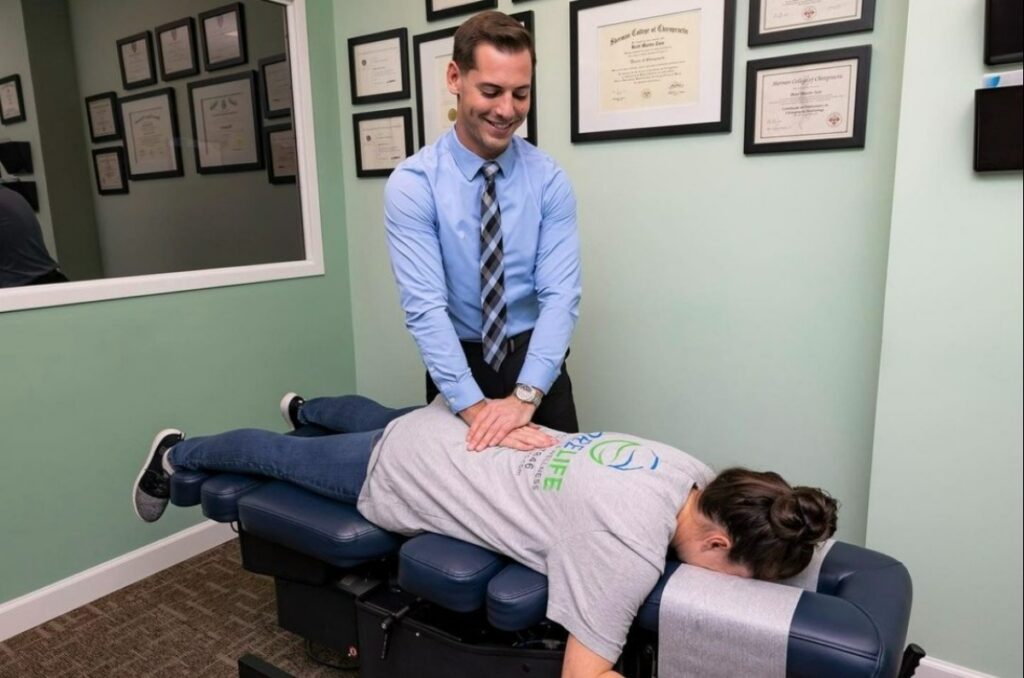
When it comes to cervical discomfort, exploring effective pain relief techniques is crucial for your overall well-being. As a chiropractor, I want to emphasize that chiropractic care stands out as a natural and holistic approach to alleviating pain and promoting spinal health. Unlike traditional treatments that often rely on medications or surgeries, chiropractic adjustments focus on correcting misalignments in the spine, which can be a significant source of discomfort.
In addition to chiropractic adjustments, consider incorporating mindfulness and relaxation strategies into your routine. Practices like deep breathing or gentle stretching can help reduce tension in the neck and shoulders. It’s important to listen to your body and engage in activities that promote relaxation, such as yoga or meditation.
As you explore your options for pain relief, remember that chiropractic care not only addresses the pain you’re experiencing but also works to enhance your overall health. Regular visits to your chiropractor can help maintain proper spinal alignment, reduce the likelihood of future discomfort, and improve your body’s natural healing abilities.
Ultimately, the question isn’t just about which method will provide relief—it’s about choosing a path that promotes lasting wellness and vitality. By prioritizing chiropractic care and integrating holistic practices into your lifestyle, you can take significant strides toward achieving optimal health and a pain-free life.
Key Takeaways
- Chiropractic care is a natural and effective solution for cervical discomfort. By providing gentle spinal adjustments, we alleviate pressure on nerves, allowing your body to heal itself and addressing the root causes of your pain. This holistic approach not only helps with immediate relief but also promotes long-term wellness.
- Incorporating mindfulness techniques like meditation and progressive muscle relaxation into your daily routine can significantly enhance your pain management efforts. These practices help reduce stress and tension, which are often contributors to cervical discomfort, allowing you to feel more relaxed and at ease.
- Good posture and ergonomic practices are crucial for preventing cervical discomfort. Make a conscious effort to maintain proper alignment during your daily activities—whether at your desk, while driving, or even watching TV. This small change can support your spinal health and help you avoid pain in the future.
- Gentle neck stretches and yoga are excellent ways to relieve tight muscles and improve flexibility. These activities can help you alleviate discomfort associated with cervical issues while promoting overall health. Consider incorporating short stretching sessions into your day to keep your neck feeling great.
- Staying hydrated is essential for keeping your spinal discs and muscles healthy. Drinking plenty of water throughout the day can help alleviate discomfort in the neck area and support your overall well-being. Remember, a well-hydrated body is a happy body!
By choosing chiropractic care and integrating these simple tips into your lifestyle, you can take charge of your health and work towards a pain-free future. Your body has an incredible ability to heal itself—let’s unlock that potential together!
Understanding Cervical Discomfort: Causes and Symptoms
Cervical discomfort can significantly affect your daily activities and overall well-being. This discomfort may present itself as a dull ache, a sharp stabbing sensation, or stiffness in your neck. Many factors can contribute to this pain, including poor posture, muscle strain, and even stress. If you spend long hours at a desk or frequently look down at your phone, you may be putting extra strain on your neck.
Injuries from accidents or sports activities can also lead to persistent cervical discomfort. In some cases, you might feel pain radiating down your arms, which can indicate that nerves in the neck are involved. Additional symptoms like headaches, dizziness, and difficulty concentrating often accompany neck pain, making it challenging to stay focused throughout your day.
Recognizing these symptoms is crucial in addressing your discomfort. Understanding what triggers your pain allows you to take proactive steps to improve your situation. Here are some tips to help alleviate cervical discomfort naturally:
- Maintain Good Posture: Be mindful of your posture when sitting or standing. Ensure your workstation is ergonomically set up so that your computer screen is at eye level and your chair supports your back.
- Take Frequent Breaks: If you work at a desk, take short breaks every hour to stretch and move around. This can help relieve tension in your neck and shoulders.
- Practice Relaxation Techniques: Stress can contribute to muscle tension, including in your neck. Explore relaxation techniques such as deep breathing, meditation, or gentle yoga to help manage stress.
- Stay Hydrated: Drinking plenty of water is essential for maintaining healthy spinal discs and muscles. Dehydration can lead to stiffness and discomfort.
- Consider Chiropractic Care: Regular chiropractic adjustments can help realign your spine and relieve pressure on nerves, promoting natural healing and optimal function. A chiropractor can provide personalized care tailored to your specific needs.
Traditional Treatments: Physical Therapy and Medication
If you’re struggling with cervical discomfort and haven’t found relief through natural methods, consider the numerous benefits of chiropractic care. This holistic approach not only addresses the root causes of pain but also promotes overall wellness and healing in a natural way.
Here are some key advantages of choosing chiropractic care for your cervical discomfort:
- Spinal Adjustments: Chiropractors use gentle adjustments to realign the spine and relieve pressure on nerves, which can help reduce pain and improve function. This approach targets the source of discomfort rather than just masking symptoms.
- Personalized Care Plans: A chiropractor will create a tailored treatment plan designed specifically for you. This may include specific adjustments, exercises, and lifestyle advice to strengthen your neck muscles and maintain flexibility, ultimately reducing pain over time.
- Natural Healing: Chiropractic care focuses on your body’s ability to heal itself. By promoting proper alignment and function of the spine, you’re allowing your body to operate at its best—leading to improved overall health and wellness.
- Education and Support: Your chiropractor will provide valuable education on posture, ergonomics, and exercises that can help you manage your discomfort and prevent future issues. This expert guidance is essential to your recovery journey.
Incorporating chiropractic care into your wellness routine can lead to significant improvements in your cervical health. Don’t hesitate to reach out to a local chiropractor to discuss your specific needs and explore how this natural method can help you regain control over your discomfort. By choosing chiropractic care, you’re taking an important step towards optimal health and a better quality of life.
Alternative Approaches: Acupuncture and Chiropractic Care
Have you thought about how chiropractic care can significantly enhance your recovery from cervical discomfort? This natural approach focuses on restoring balance and promoting healing without the need for medications or invasive procedures.
Chiropractic care emphasizes the importance of spinal alignment and overall musculoskeletal health. When you visit a chiropractor, they will assess your posture and spinal alignment, performing gentle adjustments that can alleviate tension and improve mobility in your neck. Many patients experience immediate relief from pain, along with long-term benefits that support a healthier lifestyle.
In addition to adjustments, here are some simple tips to help manage cervical discomfort at home:
- Maintain Good Posture: Be mindful of your posture while sitting, standing, and using electronic devices. Keeping your head aligned over your spine can reduce strain on your neck.
- Stay Active: Regular movement and gentle exercises, like neck stretches or yoga, can help maintain flexibility and strength in your neck muscles.
- Use Supportive Pillows: Invest in a good quality pillow that supports your neck’s natural curve while you sleep. This can make a significant difference in how you feel upon waking.
- Stay Hydrated: Drinking plenty of water helps keep your spinal discs hydrated and can reduce stiffness.
- Limit Screen Time: Take regular breaks from screens to prevent strain on your neck. Remember to adjust your screen to eye level to avoid looking down for extended periods.
Mindfulness and Relaxation Techniques for Pain Relief
As a local chiropractor dedicated to promoting health and wellness, I want to share some effective mindfulness and relaxation techniques that can help alleviate pain and enhance your overall well-being. These practices encourage you to stay present, which can significantly reduce stress and tension that often contribute to cervical discomfort. Here are three simple techniques you can easily add to your daily routine:
- Deep Breathing Exercises: Take a moment to focus on your breath. Inhale deeply through your nose, letting your belly expand, hold it for a count of four, and then exhale slowly through your mouth. This simple practice not only calms your mind but also helps relax your body, making it an excellent tool for managing pain.
- Progressive Muscle Relaxation: Start at your toes and work your way up to your neck. Tense each muscle group for a few seconds and then release. This practice helps to relieve built-up tension and can be especially beneficial if you’re dealing with discomfort. It’s a great way to reconnect with your body and promote relaxation.
- Guided Imagery: Picture a serene place—perhaps a quiet beach or a lush forest. Allow yourself to immerse in that peaceful scene, letting go of the pain and stress. This mental escape can greatly reduce discomfort and is a wonderful way to practice mindfulness.
Incorporating these techniques into your daily life can significantly enhance your pain management strategy, complementing the benefits you receive from chiropractic care. Remember, chiropractic adjustments focus on aligning your spine to support your body’s natural healing processes, so it’s essential to pair those adjustments with mindfulness practices for optimal health and well-being. By embracing these methods, you’re taking proactive steps toward a healthier, pain-free life.
Comparing Effectiveness: Which Technique Works Best?
When it comes to addressing cervical discomfort, many people seek relief through various mindfulness techniques. While methods like deep breathing, progressive muscle relaxation, and meditation can offer some benefits, it’s essential to remember that chiropractic care is often the most effective option for achieving optimal health and pain relief.
Deep breathing is a great way to center your mind and reduce tension, helping you feel more relaxed. Progressive muscle relaxation, which involves tensing and then relaxing specific muscle groups, can help ease tightness in your neck and shoulders. Meanwhile, meditation promotes mental clarity and can help lower stress levels, which may contribute to physical pain.
However, chiropractic care directly targets the root causes of cervical discomfort by addressing spinal alignment and function. Regular chiropractic adjustments can relieve tension in the neck and shoulders, improve mobility, and promote overall wellness. As you explore mindfulness techniques, consider incorporating chiropractic visits into your routine for comprehensive care.
To enhance your journey toward relief, here are some helpful tips:
- Maintain good posture, especially when sitting for long periods.
- Take regular breaks to stretch your neck and shoulders.
- Stay hydrated, as adequate hydration supports muscle health.
- Practice gentle neck stretches or yoga to promote flexibility.
Ultimately, while mindfulness techniques can complement your wellness journey, chiropractic care remains a leading choice for managing cervical discomfort and supporting natural healing. By combining these approaches, you can find the relief and balance you need for a healthier, pain-free life.
Conclusion
To sum up, managing cervical discomfort effectively requires a personalized approach, and chiropractic care stands out as a leading option for natural healing. By focusing on spinal alignment and overall wellness, chiropractic treatments not only address cervical pain but also promote optimal health.
Combining chiropractic adjustments with supportive practices like physical therapy can enhance your recovery. Additionally, integrating mindfulness and relaxation techniques into your routine can significantly boost your pain relief strategy. These methods help you manage stress, which is often a contributing factor to discomfort.
Here are some general tips to help you on your journey to relief:
- Stay Active: Gentle movements and stretches can keep your neck flexible and strong. Regular exercise, as guided by your chiropractor, supports spinal health.
- Posture Matters: Pay attention to your posture, especially when sitting for long periods. Keeping your spine aligned can prevent unnecessary tension in your neck.
- Mindfulness Practices: Incorporate breathing exercises or meditation into your daily routine to reduce stress, which can aggravate pain.
- Regular Chiropractic Visits: Consistent chiropractic care helps maintain spinal health and can prevent the recurrence of cervical discomfort.
By exploring these chiropractic options and incorporating healthy habits, you can find the right balance that works for you, helping you regain comfort and improve your quality of life naturally. Remember, your spine is the foundation of your health—take good care of it!