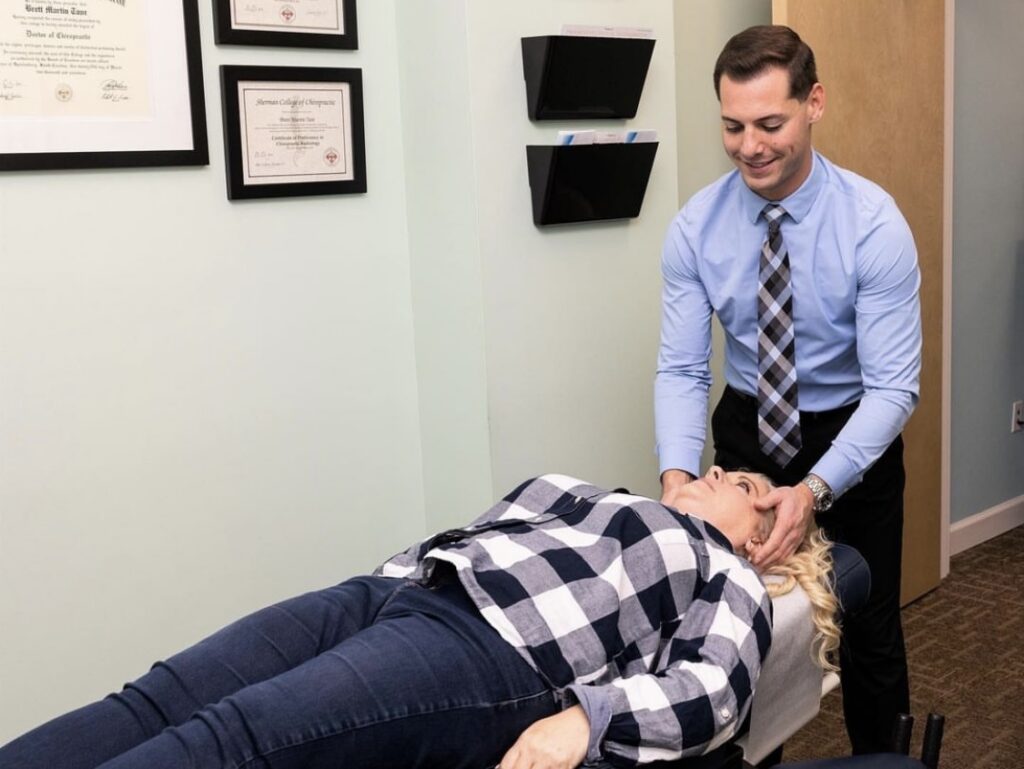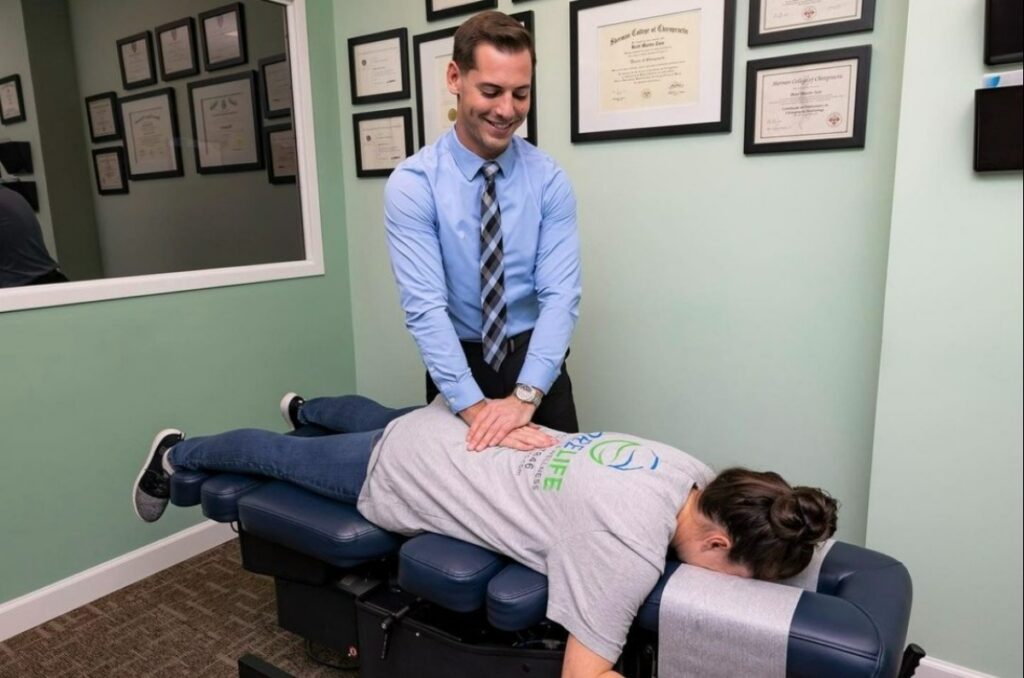
As a local chiropractor, I understand how disruptive lower back pain can be to your everyday life. It's important to know that there are numerous effective treatments available to help you find relief. One of the most beneficial options is chiropractic care, which focuses on spinal alignment and overall body function.
In addition to chiropractic adjustments, you might find relief from simple methods like heat and cold therapies. These can be easily implemented at home to alleviate discomfort. Physical therapy is another structured approach that can strengthen your muscles and improve flexibility, further supporting your spine.
For those looking for alternative therapies, acupuncture and mindfulness techniques can also be effective in managing pain and reducing stress. It's all about finding the right combination of treatments that work for you. As we discuss these options, I'm here to guide you in discovering natural healing methods that can ease your discomfort and enhance your quality of life.
Heat Therapy
As a chiropractor, I often see patients struggling with lower back pain, and I want to share how heat therapy can be a wonderful addition to your pain management toolkit. Applying heat to your lower back not only helps to relax tight muscles but also enhances circulation and reduces stiffness.
Whether you opt for a heating pad, a hot water bottle, or a warm towel, the soothing warmth can penetrate deeply, providing significant comfort and relief.
To begin, it's important to choose a heat source that works best for you. Electric heating pads are a popular option because they offer convenience and adjustable temperatures. If you lean towards a more natural remedy, soaking in a warm bath can be incredibly soothing while also promoting relaxation.
Just remember, it's crucial to keep the heat at a comfortable level; too much heat can lead to burns, which we definitely want to avoid.
I recommend applying heat for about 15 to 20 minutes at a time. This duration is typically enough to warm your muscles without the risk of overheating. If at any point you feel discomfort, please remove the heat source right away.
It's essential to listen to your body and make adjustments as needed.
Integrating heat therapy into your daily routine can be especially beneficial during flare-ups or after prolonged periods of sitting or standing. You might also find it helpful to combine heat therapy with gentle stretches or relaxation techniques to amplify its effects.
Over time, you may notice that consistent heat application not only alleviates your pain but also enhances your overall mobility.
I encourage you to give it a try—it's a simple yet effective strategy to help manage your lower back pain naturally.
Cold Therapy
As a local chiropractor dedicated to your health and well-being, I want to share an effective method for alleviating lower back pain: cold therapy. This natural treatment technique involves applying cold to the painful area, which can significantly help reduce inflammation and numb sharp sensations. If you're experiencing acute lower back pain, cold therapy can be an excellent first step in your recovery journey.
You can easily implement cold therapy at home with items you likely already have, such as ice packs, frozen vegetables, or a simple cold compress. To protect your skin, wrap the ice pack in a thin cloth before applying it to the affected area for about 15-20 minutes. Remember to give your skin a break between sessions to avoid any risk of frostbite.
The way cold therapy works is by constricting blood vessels, which in turn helps to decrease swelling and inflammation. It's most effective within the first 48 hours following an injury or flare-up, as it can help interrupt the pain cycle.
After a session, you may notice a reduction in pain, allowing for increased mobility and comfort.
If you're new to chiropractic care and natural healing, I encourage you to explore these options as part of your overall pain management strategy. Cold therapy is just one of many tools we can use together to enhance your health and improve your quality of life.
Physical Therapy
Chiropractic care plays a vital role in effectively managing lower back pain. If you're dealing with discomfort, a chiropractor can create a personalized treatment plan that addresses your unique situation. We begin with a thorough assessment to understand your condition, pinpoint the underlying causes of your pain, and guide you toward improving your overall strength and flexibility.
During your visits, you'll participate in a variety of therapeutic techniques designed to enhance the function of your spine and the surrounding muscles. This may include spinal adjustments, stretches, and exercises that focus on strengthening and stabilizing your core.
We emphasize the importance of proper body mechanics to help you prevent future injuries. Our goal isn't just to alleviate your pain in the short term, but to empower you with the knowledge and skills to maintain your health for the long haul.
In addition to spinal adjustments, we may utilize natural modalities like heat, ice, or electrical stimulation to alleviate pain and reduce inflammation. These approaches can significantly ease your discomfort, allowing you to engage more fully in your rehabilitation.
Your commitment to the process is crucial in chiropractic care. You may receive a home exercise program to practice between appointments. Adhering to this routine can substantially accelerate your recovery and enhance your overall well-being.
Together, we can work towards achieving lasting relief and improved function in your daily life.
Chiropractic Adjustments
As a local chiropractor, I want to share with you the valuable role chiropractic adjustments play in alleviating lower back pain. If you're experiencing discomfort, it's essential to understand how chiropractic care can help. During your first visit, I'll thoroughly assess your spine to identify any misalignments that may be contributing to your pain. These misalignments can lead to nerve irritation, muscle tension, and inflammation, all of which can worsen your discomfort.
Chiropractic adjustments aren't just about "cracking" your back; they involve precise movements aimed at realigning your spine. This realignment helps restore proper function and significantly reduces pain. You may feel a quick, controlled thrust during an adjustment, which is designed to enhance mobility and relieve pressure on your nerves. Many of my patients report feeling immediate relief after their adjustments due to improved blood flow and decreased muscle tension.
Moreover, regular chiropractic care is instrumental in preventing future episodes of lower back pain. By maintaining proper spinal alignment, you can promote optimal body function. This proactive approach encourages better posture and movement patterns, which are crucial for long-term relief and overall health.
If you're new to chiropractic care, it's important to work with a licensed chiropractor who's experienced in treating lower back issues. I create personalized treatment plans tailored to your specific needs, which may include lifestyle recommendations and exercises to complement your adjustments.
Incorporating chiropractic care into your pain management strategy can profoundly enhance your quality of life. Not only will you find relief from pain, but you'll also gain valuable tools to maintain a healthy spine and prevent future problems.
Take that first step toward a pain-free life and consider exploring chiropractic adjustments with me. Your journey to better health starts here!
Massage Therapy
As a local chiropractor, I want to share how massage therapy can significantly benefit those struggling with lower back pain.
By utilizing various techniques, we can effectively target areas of tension and promote better circulation. Regular massage sessions not only help alleviate discomfort but also enhance your mobility and contribute to your overall well-being.
Embracing this natural approach to healing can lead to a more relaxed state and improved quality of life.
If you're new to chiropractic care, I encourage you to explore how these therapies can work together to support your health.
Techniques for Pain Relief
As a local chiropractor, I often encounter patients who experience lower back discomfort and are seeking effective pain relief techniques. One of the most beneficial options available is massage therapy, which not only promotes relaxation but also focuses on specific techniques that can relieve muscle tension and enhance circulation.
One popular method is Swedish massage. This technique employs long, gliding strokes that can help ease muscle tension and induce a state of relaxation.
For those of you dealing with deeper, more chronic pain, deep tissue massage might be the better choice. It targets the deeper layers of muscle and connective tissue, providing relief from persistent discomfort.
Another effective approach is trigger point therapy. This technique zeroes in on tight knots within your muscles, helping to release the built-up tension that often contributes to pain.
If you're looking for a gentler method, myofascial release can be highly beneficial. This technique focuses on stretching and releasing the fascia, the connective tissue that envelops your muscles, promoting overall flexibility and comfort.
You might also want to consider hot stone massage, which utilizes heated stones to relax tight muscles and improve circulation.
Regardless of which technique you choose, it's crucial to communicate your specific pain points to your therapist. By tailoring your massage experience to your individual needs, you can significantly enhance its effectiveness in alleviating lower back pain.
Benefits of Regular Sessions
As a local chiropractor, I want to share with you the significant benefits of incorporating regular massage therapy into your wellness routine, particularly for those struggling with lower back pain. Many people are unaware of how complementary therapies can enhance their overall health and well-being.
- Reduced Muscle Tension: Regular massage therapy is highly effective in relieving tension in your back muscles. This reduction in tightness not only promotes better flexibility but also improves your range of motion, which is essential for daily activities.
- Improved Circulation: Consistent massage sessions can significantly enhance blood circulation throughout your body. This increased blood flow brings vital nutrients to your muscles and tissues, aiding in faster recovery and healing.
- Stress Relief: One of the remarkable benefits of massage therapy is its ability to alleviate stress and anxiety. Lower stress levels can lead to a decrease in muscle tension and a reduction in pain perception, making it easier for you to manage discomfort in your lower back.
- Enhanced Sleep Quality: Massage can help calm both your body and mind, leading to better sleep patterns. Quality sleep is crucial for healing and effectively managing chronic pain, so incorporating massage therapy can be a game-changer for your overall health.
By integrating regular massage therapy into your healthcare routine, particularly alongside chiropractic adjustments, you can experience long-lasting relief from lower back pain.
This proactive approach not only addresses the symptoms but also fosters an overall improvement in your health and quality of life. If you're ready to take a step towards feeling better, let's discuss how we can make this a part of your wellness journey!
Acupuncture
As a local chiropractor, I want to share with you an effective and natural approach to relieving lower back pain: acupuncture.
This treatment involves stimulating specific points on your body to promote healing and alleviate discomfort. Understanding how acupuncture works and the benefits it can offer is essential in determining if it's the right option for you.
Let's discuss how frequently you should consider sessions to achieve the best results for your back health.
How Acupuncture Works
How can acupuncture help relieve lower back pain? As a local chiropractor, I often recommend exploring natural healing methods like acupuncture, an ancient Chinese practice that involves the insertion of thin needles into specific points on the body to stimulate the flow of energy, or "qi."
Here's how it can benefit you:
- Pain Reduction: Acupuncture needles can stimulate your body to release endorphins, which are natural painkillers. This can lead to a significant reduction in discomfort in your lower back.
- Enhanced Circulation: The insertion of needles can improve blood flow to the affected area, which means more oxygen and nutrients are delivered to help with recovery and healing.
- Muscle Relaxation: By targeting specific points, acupuncture can help relieve tension in the muscles surrounding your lower back. This can result in better mobility and a decrease in pain levels.
- Stress Relief: Acupuncture has a calming effect that can help lower overall stress levels. Since stress often contributes to chronic pain, reducing stress can lead to less tension and discomfort in your back.
Benefits for Back Pain
As a local chiropractor, I want to share with you the incredible benefits that can come from exploring acupuncture as a complementary approach to managing lower back pain. Many people aren't aware that this ancient practice offers more than just temporary relief from discomfort; it can also address the underlying issues that contribute to your pain.
Acupuncture works by stimulating specific points on your body, which can lead to improved blood circulation and enhance your body's natural healing processes. This is particularly beneficial for those suffering from lower back pain, as it may help to decrease inflammation—a key factor that can exacerbate your discomfort.
Additionally, patients often find that acupuncture can enhance flexibility and increase their range of motion. This means you might feel more comfortable engaging in daily activities that you previously struggled with.
Another important aspect is the reduction in stress and anxiety that many experience after acupuncture sessions. Less tension in your back muscles can translate to a significant decrease in pain.
Moreover, acupuncture can also improve your sleep quality. When you're not constantly dealing with pain, you're likely to enjoy deeper, more restorative sleep, which is crucial for your overall health and recovery.
Importantly, acupuncture is a drug-free option, allowing you to steer clear of the potential side effects associated with conventional pain medications.
Incorporating acupuncture into your pain management routine can be a valuable step toward achieving long-lasting relief and enhancing your overall well-being. If you're interested in learning more about how chiropractic care and acupuncture can work together, I'm here to help guide you on your journey to better health.
Treatment Frequency Recommendations
Understanding the right frequency for chiropractic treatments can significantly enhance the benefits you experience in managing lower back pain. To optimize your relief and support your body's healing process, consider these recommendations:
- Initial Phase (1-2 weeks): Begin with 2-3 visits per week. This frequency allows your body to adapt and respond effectively to chiropractic adjustments, promoting immediate relief.
- Transition Phase (3-6 weeks): As you start to feel improvements in your pain levels, you can reduce your visits to 1-2 times per week. This helps to sustain the benefits of your adjustments as your pain decreases.
- Maintenance Phase (6 weeks and beyond): Once your back pain is under control, consider scheduling monthly visits. Regular maintenance can be key in preventing future flare-ups and keeping your spine aligned.
- Personalized Adjustments: It's important to tune into how your body feels and maintain open communication with your chiropractor. If you notice pain returning, don't hesitate to increase your visit frequency to ensure you remain on track with your healing journey.
By following these guidelines, you can make the most of your chiropractic care and achieve lasting relief from lower back pain.
Over-the-Counter Medications
If you're experiencing lower back pain, I want to share how over-the-counter medications can be a part of your pain management strategy, but I encourage you to consider a holistic approach. Many patients find relief through nonsteroidal anti-inflammatory drugs (NSAIDs) and acetaminophen. NSAIDs, such as ibuprofen and naproxen, can help reduce both inflammation and pain, making them common choices for back discomfort. Acetaminophen is another option that can provide pain relief, although it doesn't specifically target inflammation.
However, it's essential to think about your unique symptoms when selecting the right medication. Always read the label carefully for dosage instructions and be mindful of potential side effects. It's best to stick to the recommended dosages to prevent complications. If you have any existing health conditions or are taking other medications, I advise you to consult with your healthcare provider or pharmacist to ensure your safety.
While NSAIDs may offer relief within a few hours, keep in mind they can sometimes lead to stomach irritation or increase bleeding risks, especially if used over a long period. Acetaminophen is generally easier on the stomach, but it's crucial not to exceed the daily limit, as high doses can result in liver damage.
In addition to medications, I strongly recommend incorporating other treatments into your routine, such as heat therapy and gentle stretching exercises. These methods can work in tandem with your medication to enhance your overall pain relief efforts. Always pay attention to your body's signals and take breaks when needed.
If you find that over-the-counter options aren't providing sufficient relief, I invite you to consider exploring chiropractic care. Chiropractic adjustments and natural healing techniques can help address the root causes of your pain and promote long-term wellness. If you're interested in learning more, don't hesitate to reach out for guidance tailored to your specific needs.
Prescription Medications
When lower back pain lingers, many people consider prescription medications for relief.
However, as your local chiropractor, I want to share that there are natural alternatives that can help alleviate your discomfort without the potential side effects associated with medications.
Chiropractic care focuses on addressing the root cause of your pain through spinal adjustments and holistic treatments, promoting your body's own healing abilities.
Types of Prescription Medications
As a local chiropractor, I want to help you understand how various prescription medications can play a role in managing lower back pain, but I also want to emphasize the importance of exploring natural healing methods as well.
When you visit your healthcare provider, they may suggest one or more of the following prescription medications to address your pain:
- Nonsteroidal Anti-Inflammatory Drugs (NSAIDs): Medications like ibuprofen or naproxen are often recommended to reduce inflammation and relieve pain. While these can be effective, it's important to consider complementary treatments such as chiropractic adjustments, which can also help alleviate inflammation and improve function.
- Muscle Relaxants: If muscle spasms are part of your discomfort, your doctor might prescribe muscle relaxants. However, chiropractic care focuses on addressing the root causes of muscle tension through spinal manipulation and other techniques, promoting lasting relief and better mobility.
- Antidepressants: Some antidepressants can assist with chronic pain by changing the way your brain processes pain signals, even if you're not experiencing depression. While this can provide temporary relief, natural healing practices like chiropractic adjustments and physical therapy can help improve your overall well-being and pain management without the need for medication.
- Narcotics: For severe pain, stronger medications like opioids may be prescribed, but they're typically intended for short-term use due to addiction risks. At our chiropractic clinic, we believe in addressing the underlying issues with natural therapies, reducing the need for such medications in the long run.
Always consult with your healthcare provider before starting any medication.
However, I encourage you to also explore chiropractic care and natural healing methods, which can provide effective relief and enhance your overall health. Together, we can work towards a pain-free life!
Dosage and Administration Guidelines
Understanding the proper dosage and administration of any medications prescribed for managing lower back pain is crucial, especially as you explore chiropractic care and natural healing options.
When working with your healthcare provider, they'll assess your specific condition, age, weight, and overall health to determine the appropriate medication and dosage for you. It's important to adhere strictly to these guidelines.
If your doctor prescribes opioids, it's best to begin with the lowest effective dose to reduce the risk of dependency and other side effects. Always consult your healthcare provider before making any changes to your dosage, as increasing it without guidance can lead to complications.
For non-steroidal anti-inflammatory drugs (NSAIDs), taking them with food or milk is advisable to help protect your stomach lining.
I encourage you to keep a log of when you take your medications to avoid unintentional double dosing. If you happen to miss a dose, take it as soon as you remember, unless it's nearly time for your next scheduled dose. In that case, it's better to skip the missed dose and maintain your regular routine.
It's also important to maintain open communication with your healthcare provider about how the medications are affecting your lower back pain. They may need to reevaluate your dosage or consider alternative treatments based on your progress and any changes in your condition.
Potential Side Effects
As a local chiropractor, I want to help you understand that while prescription medications can provide relief for lower back pain, they often come with potential side effects that you should consider.
It's important to recognize that while these medications can effectively manage pain, they may also lead to some unwanted reactions. Here are some common side effects you might encounter:
- Drowsiness: Many pain medications can cause drowsiness, which may hinder your ability to carry out daily activities and responsibilities.
- Nausea: Some people might experience stomach upset or nausea, which can be quite uncomfortable and affect your overall well-being.
- Constipation: Opioids, in particular, are known to cause constipation, and you'll need to actively manage this side effect if it occurs.
- Dependency: Extended use of certain prescription medications can lead to dependency or addiction, emphasizing the importance of closely following your healthcare provider's instructions.
Being aware of these potential side effects is crucial as you weigh the benefits against the risks of medication.
I encourage you to communicate openly with your healthcare provider about any adverse reactions you may experience. This dialogue is essential to ensure you receive the best care tailored to your needs while minimizing any unwanted complications.
At our practice, we focus on natural healing methods, such as chiropractic adjustments, which can help alleviate pain without the drawbacks of medication.
If you're interested in exploring these options further, feel free to reach out. Your health and well-being are our top priorities!
Exercise and Stretching
As a local chiropractor, I want to emphasize the significant role that exercise and stretching play in alleviating lower back pain. Many people believe that resting is the best way to cope with discomfort, but I can assure you that gentle movement is actually beneficial for your recovery. Regular exercise not only strengthens the muscles that support your spine but also helps reduce strain and prevents future injuries.
I recommend starting with low-impact activities such as walking, swimming, or cycling. These exercises promote blood flow to your back, which is essential for delivering nutrients and oxygen necessary for healing. Aim to engage in at least 30 minutes of activity on most days of the week. If that seems daunting, remember that breaking it into shorter sessions can still be effective.
In addition to exercise, incorporating stretching into your daily routine is crucial. Focus on stretches that specifically target your lower back, hips, and hamstrings. Simple movements like the cat-cow stretch, child's pose, and knee-to-chest stretch can enhance flexibility and relieve tension. Hold each stretch for 15 to 30 seconds, and remember to breathe deeply to promote relaxation.
Always listen to your body. If any exercise or stretch causes an increase in pain, stop immediately. It's important to consult with a healthcare professional, such as a chiropractor, before starting any new exercise program, especially if your back pain is severe or persistent. We can provide personalized recommendations tailored to your specific needs.
Mindfulness and Relaxation Techniques
As a local chiropractor, I want to share how incorporating mindfulness and relaxation techniques into your daily routine can significantly alleviate lower back pain. These strategies not only help you manage stress and muscle tension but also support your body's natural healing process.
By practicing mindfulness, you can enhance your awareness of bodily sensations and promote overall well-being. Here are some effective techniques to consider:
- Deep Breathing: I encourage you to dedicate a few minutes each day to practice deep breathing. Inhale slowly through your nose, allowing your abdomen to expand fully, and then exhale gently through your mouth. This simple yet powerful exercise calms your nervous system and helps reduce muscle tension in your back.
- Meditation: Setting aside even just 5-10 minutes for meditation can be beneficial. Find a quiet space where you can sit comfortably, and focus on your breath or a calming mantra. This practice can help shift your attention away from pain, allowing you to embrace a sense of relaxation.
- Progressive Muscle Relaxation: This technique is great for releasing built-up tension. Start by tensing and then relaxing each muscle group in your body, beginning with your toes and working your way up to your head. This method can profoundly promote relaxation and ease discomfort.
- Yoga: Gentle yoga practices are an excellent way to enhance flexibility and strengthen your core, which is crucial for back health. Focus on poses that stretch and strengthen your back while encouraging mindfulness through breath awareness. This holistic approach not only aids in physical recovery but also fosters a deeper connection between your mind and body.
By integrating these mindfulness and relaxation techniques into your routine, you may find a significant reduction in your lower back pain.
If you have any questions or need further guidance, feel free to reach out during your next visit. Your journey to better health is important to us!
Conclusion
As a local chiropractor, I want to share with you some effective treatments for alleviating lower back pain that can significantly enhance your overall well-being. Incorporating methods such as heat therapy, physical therapy, and mindfulness practices into your daily routine can offer you unique benefits tailored to your individual needs.
It's essential to listen to your body and understand that everyone's pain is different. Consulting with a healthcare professional, like myself, can help you discover the most effective combination of treatments for your situation. Chiropractic care focuses on natural healing and can play a vital role in managing and relieving pain.
With the right strategies, you can take control of your discomfort and improve your quality of life. Remember, you don't have to live with pain; there are numerous paths to relief that can help restore your daily activities and enjoyment.