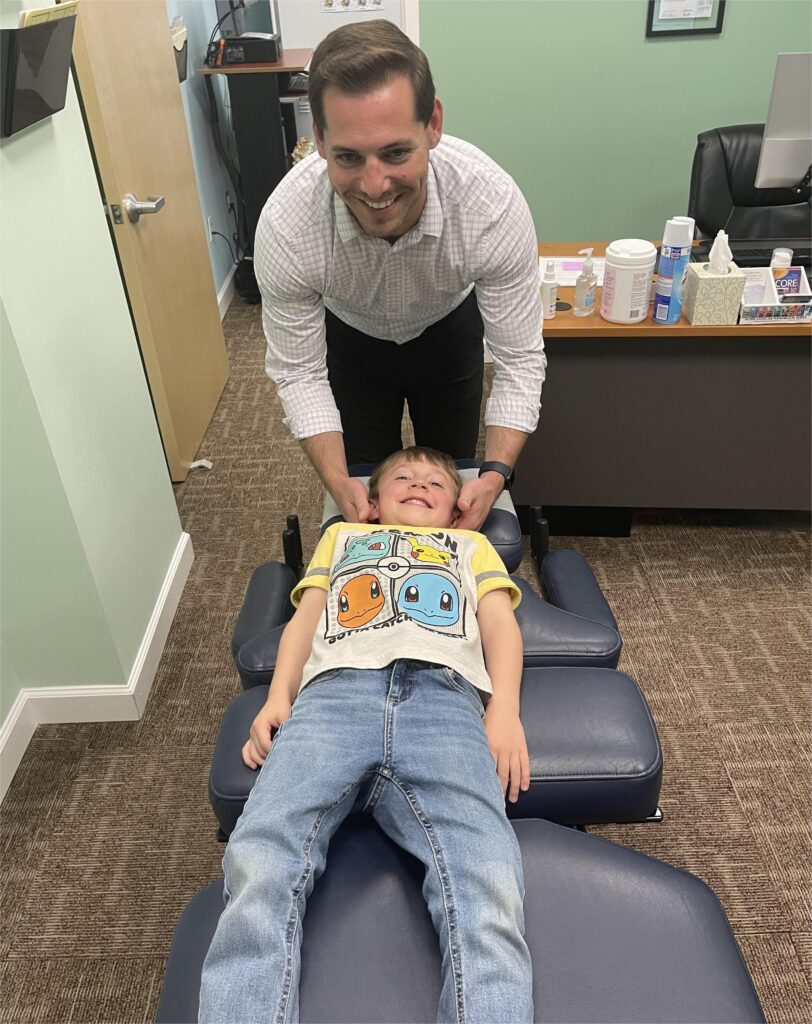
As a local chiropractor, I understand that many of you may be struggling with lower back pain and might believe that traditional treatments are your only option. However, I want to share some surprising methods that can provide effective relief and enhance your overall well-being. Techniques such as dynamic stretching and mindfulness practices can be incredibly beneficial. These innovative approaches not only help ease discomfort but can also significantly improve your quality of life. If you’re curious about how to incorporate these natural healing methods into your daily routine, I’m here to guide you through the process. Let’s explore how chiropractic care and holistic practices can work together to support your health.
Exploring Innovative Stretching Techniques
As a local chiropractor, I want to share how innovative stretching techniques can significantly improve your approach to relieving lower back pain. By integrating unique stretches into your daily routine, you can effectively target tight muscles and enhance your flexibility, which may help alleviate discomfort.
For instance, the cat-cow stretch and child’s pose are excellent techniques that not only promote spinal mobility but also aid in releasing tension in your lower back.
Additionally, I recommend exploring dynamic stretching. This involves gently moving through a range of motion, which prepares your muscles for activity and can help reduce the risk of strain or injury.
Incorporating foam rolling into your stretching regimen can also provide substantial benefits. Foam rolling helps to release muscle knots and improves blood circulation, facilitating a quicker recovery and enhancing your overall mobility.
The Power of Mindfulness and Meditation
As a local chiropractor, I want to share with you the incredible benefits of mindfulness and meditation in managing lower back pain. Many patients may not realize that these practices can be powerful tools in your healing journey.
By incorporating mindfulness techniques and simple breathing exercises into your daily routine, you can’t only calm your mind but also alleviate tension in your body.
These approaches aren’t just about relaxation; they empower you to take charge of your pain relief. Integrating mindfulness into your life complements chiropractic care by enhancing your body’s natural ability to heal.
Together, we can work towards improving your overall well-being and managing pain more effectively.
Mindfulness Techniques Explained
As a local chiropractor, I want to share with you how incorporating mindfulness techniques into your daily routine can significantly help alleviate lower back pain. By focusing your attention on the present moment, you can effectively reduce the stress and tension that often contribute to discomfort in your back.
Start with simple breathing exercises. Take a few minutes each day to inhale deeply, hold that breath for a moment, and then exhale slowly. This practice not only calms your mind but also relaxes your body, making it easier to manage pain.
Another valuable technique is the body scan, where you mentally check in with each part of your body. Pay attention to areas of tension or discomfort, and acknowledge those sensations without judgment. This process can help you become more aware of your body and how it responds to stress.
Incorporating mindful movement into your routine is also beneficial. Gentle yoga or stretching can promote relaxation and improve flexibility, which are crucial for maintaining a healthy spine.
Remember, the key to reaping the benefits of mindfulness is consistency. The more you make these practices a part of your daily life, the more effectively you’ll be able to manage pain and enhance your overall well-being.
I’m here to guide you on this journey towards natural healing and a pain-free life.
Meditation for Pain Relief
As a chiropractor, I want to share with you how meditation can be an effective tool for managing lower back pain. Many people may not realize that by focusing your mind, you can significantly reduce the stress and tension that often exacerbate discomfort in your back.
Here are some meditation techniques that I recommend exploring:
- Guided imagery: Picture a tranquil scene in your mind to help divert your attention away from pain.
- Body scan: Take a moment to mentally check in with each part of your body, which can encourage relaxation and awareness.
- Loving-kindness meditation: Practice compassion towards yourself and acknowledge your pain without judgment.
- Mindful breathing: Concentrate on your breath to help ground you in the present, reducing anxiety and tension.
- Mantra repetition: Repeat a calming phrase to quiet your thoughts and ease your mind.
Incorporating these meditation practices into your daily routine can significantly enhance your overall well-being and support your journey in alleviating lower back pain.
Breathing Exercises Benefits
As a local chiropractor, I want to share with you the incredible benefits of breathing exercises, especially for those experiencing lower back pain. These exercises are a fantastic way to enhance your mindfulness and help you connect with your body.
When you focus on your breath, it allows you to shift your attention away from discomfort, promoting relaxation in both your mind and body. Deep, intentional breathing can help release muscle tension and improve your posture and alignment, which is crucial for your overall spinal health.
By incorporating these exercises into your daily routine, you’ll cultivate greater awareness of your body and become more attuned to physical sensations and emotional triggers that can contribute to pain. Many of my patients find that regular practice of breathing exercises helps them feel more grounded and centered.
This can alleviate stress, which often exacerbates pain. So, consider adding breathing exercises to your wellness routine as a natural and effective way to support your journey toward better health.
Incorporating Yoga for Flexibility and Strength
As a local chiropractor, I want to emphasize the importance of incorporating yoga into your routine to enhance both flexibility and strength—two critical components for alleviating lower back pain.
Focusing on specific yoga poses that target the back can significantly aid in your recovery and overall wellness. Additionally, integrating proper breathing techniques into your practice can further amplify the benefits you experience.
It’s essential to remember that consistency is vital; making yoga a regular part of your lifestyle can lead to lasting improvements in your spinal health.
Embracing this holistic approach alongside chiropractic care can help you achieve optimal results in your journey towards better health.
Key Yoga Poses
As a local chiropractor, I want to share with you the incredible benefits of incorporating yoga into your routine, especially for alleviating lower back pain.
Yoga isn’t just about flexibility; it can also enhance strength and support natural healing processes. Here are five essential yoga poses that I recommend for targeting areas that may be causing discomfort:
- Cat-Cow Stretch: This dynamic movement helps to increase spinal flexibility and gently warms up your back muscles, preparing them for deeper stretches.
- Child’s Pose: This restorative pose is perfect for releasing tension in your lower back, promoting relaxation and alleviating stress on the spine.
- Downward Facing Dog: This pose strengthens the back while lengthening the spine, which can be beneficial for improving posture and reducing pain.
- Pigeon Pose: By opening up the hips and stretching the glutes, this pose can relieve tightness in the lower back, helping you feel more comfortable and mobile.
- Bridge Pose: This pose not only strengthens your back and glutes but also supports proper spinal alignment, which is crucial for long-term back health.
Integrating these poses into your regular routine can lead to significant improvements in your back health and overall well-being.
Remember, natural healing methods like these can complement the care you receive in our chiropractic practice.
Take the time to listen to your body, and you’ll likely see positive changes in how you feel.
Breathing Techniques Importance
As a chiropractor, I often see patients focusing solely on physical adjustments to alleviate lower back pain. However, I want to emphasize the significant role that breath plays in enhancing your overall health, flexibility, and strength. Understanding and practicing proper breathing techniques can complement your chiropractic care and greatly improve your well-being.
When you take a deep breath, you engage your diaphragm and fill your lungs, which promotes relaxation and helps reduce tension in your body. This is particularly beneficial for easing tightness in your back muscles. By exhaling slowly, you can effectively release stress, which is vital for recovery and pain relief.
Integrating breath with movement during your daily activities or exercises can create a more fluid approach to your health. I encourage you to synchronize your breath with your movements; this practice not only fosters mindfulness but also enhances your body awareness.
The more you connect with your breath, the easier it becomes to maintain proper posture and alignment, which is essential for alleviating pain and promoting overall wellness.
Incorporating these breathing techniques into your routine can be a powerful complement to the adjustments I provide in our sessions, supporting your journey towards a healthier, pain-free life.
Consistency for Results
To find lasting relief from lower back pain, it’s essential to embrace a consistent practice, particularly through yoga. As a chiropractor, I often encourage my patients to incorporate yoga into their daily routines. This practice not only enhances flexibility and strength but also supports the overall health of your back.
Here are some strategies to help you maintain consistency in your yoga practice:
- Designate a specific time each day to devote to your yoga practice, making it a non-negotiable part of your routine.
- Begin with shorter sessions to ease into the practice, gradually extending the duration as you become more comfortable.
- Explore a variety of poses to keep your sessions engaging and enjoyable, ensuring you work different muscle groups.
- Keep track of your progress; this can be a great motivator and help you recognize the improvements over time.
- Consider joining a local class or participating in an online community. This not only provides support but also connects you with others who share similar goals.
The Benefits of Acupuncture for Pain Relief
As a local chiropractor, I want to share with you the remarkable benefits of acupuncture for pain relief, particularly for those dealing with lower back discomfort.
Acupuncture is a holistic approach that taps into the body’s natural energy pathways, promoting healing and restoring balance. By inserting fine needles at specific points, this practice can help alleviate pain and tension in the lower back.
Many of my patients have reported experiencing immediate relief after just one acupuncture session, but the most significant benefits often arise from regular treatments.
Acupuncture enhances blood circulation and stimulates the release of endorphins, which are your body’s natural painkillers. This combination not only reduces inflammation but also improves your overall sense of well-being.
What makes acupuncture particularly appealing is that it’s a non-invasive option, providing a natural alternative to pain medications.
If you’re seeking a holistic method to manage your lower back pain, acupuncture could be an excellent addition to your wellness routine.
Unconventional Tools: Foam Rollers and Massage Balls
As a local chiropractor, I often see patients seeking relief from lower back pain, and I want to share some effective, natural tools you can use at home: foam rollers and massage balls.
These tools aren’t just trendy; they can truly make a difference in your self-care routine by helping to release tension and enhance mobility. Here’s how to use them effectively:
- Foam Rolling: Gently roll along your lower back and hips. This technique can help alleviate tightness and improve blood flow to the muscles in that area.
- Targeted Pressure: A massage ball can be particularly beneficial for addressing specific trigger points. By applying focused pressure, you can target areas of discomfort and promote relief.
- Myofascial Release: Both foam rollers and massage balls are excellent for myofascial release, which helps break up muscle knots and enhances circulation. This can be a key factor in reducing pain and improving flexibility.
- Stretching Aid: Consider incorporating these tools into your stretching routine. They can help you achieve deeper stretches and facilitate muscle recovery.
- Daily Routine: Just a few minutes each day with these tools can lead to noticeable improvements in your comfort and mobility.
By integrating foam rollers and massage balls into your daily regimen, you can take an active role in managing your lower back health.
Embracing these natural methods can significantly enhance your overall well-being and complement the chiropractic care we provide.
Nutritional Approaches to Reduce Inflammation
As a local chiropractor, I want to emphasize that managing lower back pain involves more than just physical therapies like foam rollers and massage balls. Your diet is a crucial component in reducing inflammation, which can significantly impact your pain levels.
Incorporating anti-inflammatory foods into your meals can really make a difference. I recommend focusing on a variety of fruits and vegetables—particularly berries, leafy greens, and cruciferous vegetables—because they’re high in antioxidants. These nutrients help combat inflammation and support your body’s healing processes.
Don’t overlook the importance of healthy fats either. Incorporating sources like olive oil, avocados, and fatty fish such as salmon can further aid in reducing inflammation. Additionally, consider adding spices like turmeric and ginger to your dishes. They not only enhance flavor but also possess strong anti-inflammatory properties that can be beneficial for your health.
Staying hydrated is equally important, so make sure you’re drinking plenty of water throughout the day. Proper hydration supports overall health and can help alleviate pain.
Lastly, I encourage you to minimize your intake of processed foods, sugars, and refined carbohydrates, as these can contribute to inflammation and exacerbate your discomfort.
Conclusion
As a local chiropractor, I want to share some surprising methods that can significantly enhance your approach to relieving lower back pain. By incorporating innovative stretching techniques and embracing mindfulness practices, you can not only alleviate discomfort but also improve your overall well-being.
Many of my patients have found great benefit in integrating yoga into their routine, which promotes flexibility and strength in the muscles that support your spine. Additionally, don’t underestimate the effectiveness of acupuncture, as well as tools like foam rollers and massage balls, which can aid in muscle relaxation and tension release.
Furthermore, nutrition plays a vital role in your body’s ability to heal and function optimally. By focusing on a balanced diet, you can support your journey to a pain-free life. I encourage you to start experimenting with these methods and see which ones resonate with you. Together, we can find the best approach to help you live pain-free.