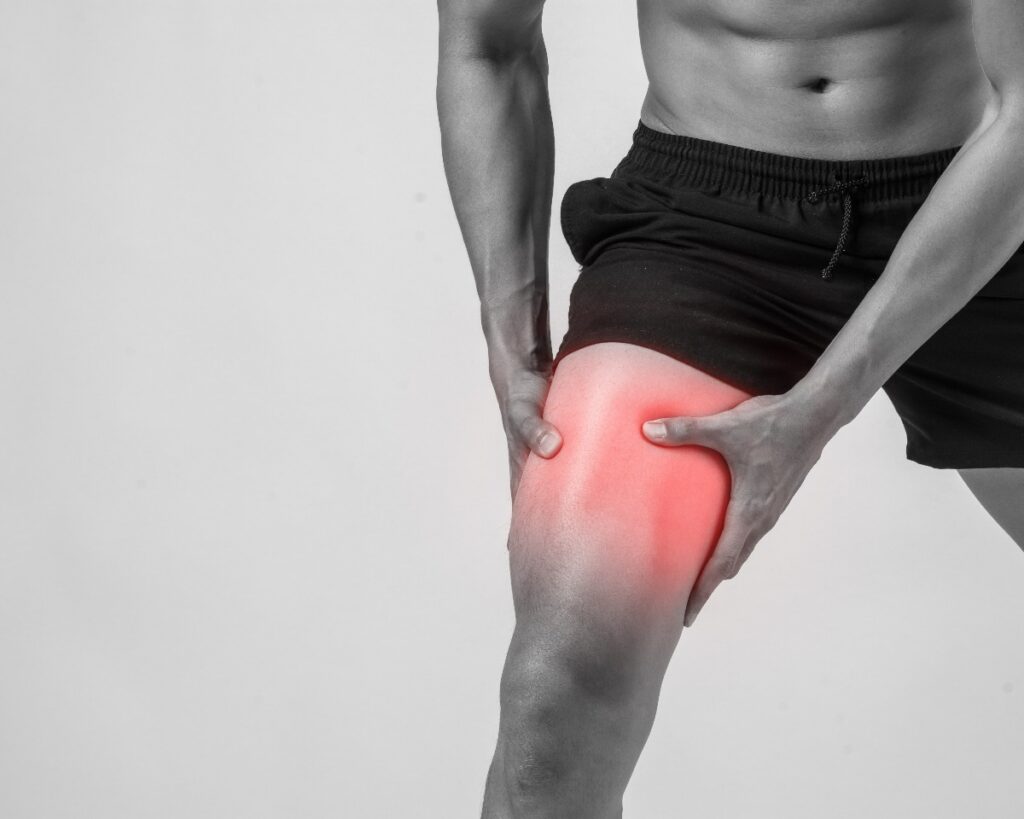
When dealing with a sports injury, it’s crucial to understand that recovery goes beyond mere rest. As a local chiropractor, I want to emphasize the importance of a comprehensive approach that includes accurate diagnosis, tailored rehabilitation, and effective pain management techniques. Many people are unaware of how crucial nutrition and mental health are in the healing process. These elements work in harmony to help you return to your active lifestyle more effectively. Curious about how chiropractic care and natural healing can facilitate your recovery? Let’s delve into each aspect of the recovery process together.
Understanding the Injury: Importance of Diagnosis
When you suffer a sports injury, understanding what’s going on with your body is crucial for a successful recovery. As a chiropractor, I emphasize the importance of a thorough diagnosis to pinpoint the exact nature of your injury—be it a strain, sprain, fracture, or something else.
By identifying the specific issue, we can create a personalized recovery plan tailored to your needs.
I encourage you to pay attention to symptoms such as pain, swelling, and any limitations in your mobility. Sharing this information with me will help us work together to understand your injury better and develop an effective treatment strategy.
Don’t overlook the value of professional evaluation. While I utilize hands-on assessments and testing, I may also refer you for imaging techniques like X-rays or MRIs to gain deeper insights into your condition.
This clarity is vital; it helps ensure that you don’t rush back into physical activity before your body is adequately healed, which is key to avoiding reinjury.
The Role of Rehabilitation in Recovery
As a local chiropractor, I want to emphasize the vital role rehabilitation plays in your recovery after a sports injury. It’s not just about healing your body; it’s also about restoring your strength, flexibility, and confidence.
Through a personalized rehabilitation program, we’ll engage in specific exercises designed to address your unique injury. These exercises aim to improve your range of motion and prevent future injuries, promoting overall wellness.
With my guidance as a skilled chiropractic practitioner, I’ll ensure you’re performing the right movements safely and effectively. You’ll learn proper techniques that not only help you regain functionality but also enhance your overall athletic performance.
As you progress, I’ll continuously adjust your program to align with your evolving capabilities, encouraging you to achieve your goals.
Additionally, rehabilitation fosters a proactive mindset, which is essential for staying motivated during your recovery journey. By setting achievable milestones, you can celebrate your progress along the way, reinforcing your determination to return to your sport.
Techniques for Pain Management
As a local chiropractor, I want to emphasize the importance of effective pain management during your recovery journey. Pain is a natural aspect of healing, but with the right strategies, you can enhance your progress and comfort.
One of the first techniques I recommend is ice therapy. This method can significantly help in reducing swelling and numbing pain. I suggest applying ice packs for 15-20 minutes multiple times a day, particularly after any physical activity.
Once the initial swelling has diminished, transitioning to heat therapy can be beneficial. Heat can relax tight muscles and improve blood circulation, which is vital for healing.
For those seeking immediate relief, over-the-counter pain relievers like ibuprofen or acetaminophen can be helpful. However, it’s crucial to consult with your healthcare provider before starting any medication.
Incorporating gentle stretching and mobility exercises into your routine is another essential component of pain management. These exercises can enhance circulation and alleviate discomfort, so make sure to prioritize them.
Additionally, practicing mindfulness techniques, such as deep breathing or meditation, can assist in managing pain on a mental level, often reducing your perception of its intensity.
Lastly, I encourage you to consider working with a chiropractor or physical therapist. We can create a personalized pain management plan that caters specifically to your needs, helping you stay on track with your recovery while promoting overall well-being through natural healing methods.
Nutrition and Its Impact on Healing
As a local chiropractor, I want to emphasize the crucial role that nutrition plays in your recovery from a sports injury. Understanding how the right foods can support your healing process is essential.
Focusing on key nutrients can significantly aid in tissue repair, help maintain proper hydration, and improve the timing of your meals to enhance recovery.
Incorporating a balanced diet rich in proteins, vitamins, and minerals not only promotes healing but also complements the chiropractic care you receive.
By addressing both your nutrition and your spinal health, you can create a synergistic effect that accelerates your journey back to full strength.
Let’s delve into how these aspects of nutrition can make a positive impact on your recovery and overall well-being.
Key Nutrients for Recovery
As a local chiropractor, I want to emphasize the vital role nutrition plays in your recovery from sports injuries. Understanding how the right nutrients can support your healing process is key to a successful recovery.
First and foremost, let’s talk about protein. This nutrient is crucial for repairing tissues and building muscle strength. Incorporate lean sources of protein such as chicken, fish, eggs, and legumes into your meals to support your body’s healing.
Next, don’t underestimate the power of healthy fats. Omega-3 fatty acids, which are abundant in fish and flaxseeds, can significantly reduce inflammation, helping you feel better faster.
Vitamins and minerals also contribute immensely to your recovery. For instance, vitamin C is essential for collagen production, which is vital for tissue repair, while zinc plays a significant role in the healing process. Eating a variety of colorful fruits and vegetables can provide you with a rich array of antioxidants that protect your cells and promote healing.
Lastly, consider adding whole grains to your diet for sustained energy. They can help fuel your body as you go through the recovery process.
Hydration and Healing Process
As a local chiropractor dedicated to your well-being, I want to emphasize the crucial role that proper hydration plays in your recovery from sports injuries. Many people may not realize that staying hydrated is just as vital as nutrition when it comes to healing.
When your body is well-hydrated, it can transport essential nutrients more effectively, which accelerates the repair of damaged tissues. Water is also key in reducing inflammation—something that can significantly alleviate pain and support the healing process.
I recommend that you aim to drink plenty of fluids throughout the day, particularly if you’re engaging in physical activities. Consider incorporating electrolyte-rich drinks as well, as they can help replenish lost minerals and maintain a healthy fluid balance.
It’s essential to listen to your body’s signals; thirst is just one sign that you may need to increase your fluid intake. By prioritizing hydration, you’re giving your body the best chance to recover efficiently, allowing you to return to your favorite activities stronger than before.
Meal Timing Strategies
As a local chiropractor focused on holistic healing, I want to emphasize the importance of meal timing in your recovery process from a sports injury. The way you time your meals can significantly impact how your body heals. Here are some effective strategies to consider:
- Post-Workout Nutrition: It’s crucial to nourish your body with a balanced meal within 30 to 60 minutes after exercising. This timing helps optimize muscle repair and supports your healing journey.
- Frequent Smaller Meals: Instead of traditional three large meals, aim to eat smaller, nutrient-dense meals every 3-4 hours. This approach can help maintain stable energy levels and provide your body with a consistent supply of nutrients necessary for ongoing recovery.
- Pre-Sleep Protein: Don’t overlook the value of a protein-rich snack before bedtime. This can aid in overnight recovery and promote muscle synthesis while you sleep, further enhancing your healing process.
Mental Health and Recovery: Staying Positive
As a local chiropractor, I understand that physical recovery is crucial for athletes, but I want to emphasize the importance of maintaining a positive mental outlook during the healing process. Your mindset significantly influences how effectively you recover from an injury.
It’s essential to embrace a positive attitude by focusing on what you can control. Setting small, achievable goals can keep you motivated and give you a sense of accomplishment as you progress. Celebrate each milestone, no matter how minor it may seem.
Surrounding yourself with supportive friends, family, and teammates can uplift your spirit and create an encouraging environment for recovery. I also recommend engaging in mindfulness practices such as meditation or deep breathing exercises, as these can help alleviate stress and anxiety associated with injuries.
Additionally, visualization techniques can be incredibly powerful. Imagine your return to the sport you love; this mental imagery can strengthen your resolve and boost your confidence as you work through your recovery.
Preventative Measures for Future Injuries
As a local chiropractor, I want to emphasize the importance of taking preventative measures to keep injuries at bay. One of the most effective ways to do this is by focusing on proper warm-up techniques, which prepare your body for activity and help prevent strains or sprains.
Incorporating strength training into your routine is equally crucial, as it builds muscle support around your joints and enhances your overall stability.
Additionally, don’t underestimate the role of flexibility exercises. These not only improve your range of motion but also reduce tension in your muscles, making you less prone to injuries.
Proper Warm-Up Techniques
As a local chiropractor, I want to emphasize the importance of warming up properly before engaging in any physical activity. A well-executed warm-up is crucial for preventing sports injuries and ensuring that your body is ready to handle the physical demands of your chosen sport or exercise routine.
Here’s how warming up can benefit you:
- Dynamic stretches: Incorporating dynamic stretches, such as leg swings and arm circles, activates your muscles in a way that static stretching doesn’t. These movements help increase blood flow and prepare your joints for activity, reducing the risk of injury.
- Gradual intensity: It’s essential to start with low-intensity exercises, like jogging or brisk walking, before ramping up to your full activity level. This gradual increase in intensity allows your body to adjust and can help prevent strains or sprains.
- Sport-specific drills: Incorporating movements that are specific to your sport can be particularly beneficial. For instance, practicing dribbling for basketball or footwork drills for soccer helps to prime your muscles and nervous system for the specific actions you’ll be performing, enhancing your performance and reducing injury risk.
By integrating these warm-up techniques into your routine, you’re not only preparing your body for the activity ahead but also promoting overall health and well-being.
Strength Training Importance
As a local chiropractor, I want to emphasize the vital role that strength training plays not just in enhancing athletic performance, but also in preventing injuries and promoting overall wellness.
Strength training builds muscle, which in turn creates a stable support system for your joints. This stability is crucial in reducing the risk of common injuries such as strains and sprains.
By incorporating strength training into your routine, you can target key muscle groups that may be imbalanced. These imbalances can lead to injury over time, so it’s important to address them through specific exercises.
Additionally, strength training improves your endurance, meaning you can engage in physical activities for longer periods without fatigue.
Remember that stronger muscles are better equipped to absorb impact. This capability reduces stress on your ligaments and tendons, which is essential for maintaining joint health.
Whether you choose weightlifting, resistance bands, or bodyweight exercises, I encourage you to prioritize strength training as part of your health regimen.
Staying consistent with strength training won’t only help you become more resilient against injuries but will also enhance your overall athletic performance.
As your chiropractor, I’m here to support you in your journey to better health through natural healing and effective exercise strategies.
Flexibility and Mobility Exercises
As a local chiropractor, I want to emphasize the importance of flexibility and mobility exercises in your overall health and wellness journey.
While many individuals often gravitate towards strength training, it’s crucial to understand that incorporating flexibility and mobility practices can significantly help in preventing future injuries.
These exercises not only enhance your range of motion but also improve your athletic performance and lower the risk of strains and sprains. By committing to a regular routine, you can maintain an agile and resilient body.
Here are some exercises I recommend including in your routine:
- Dynamic stretches: These are excellent for warming up your muscles and increasing blood flow before any workout. They prepare your body for movement and can help prevent injuries.
- Static stretching: Engaging in static stretching after your workout can improve flexibility and promote recovery. This practice aids in muscle relaxation and helps your body transition back to a resting state.
- Foam rolling: This technique is fantastic for releasing muscle tension and enhancing mobility. Foam rolling can assist in maintaining ideal movement patterns, which is essential for overall physical health.
Integrating these exercises into your regimen won’t only support your physical activities but also contribute to long-term wellness.
If you have any questions or need guidance on how to properly execute these exercises, feel free to reach out. Your health is our priority!
Conclusion
As a local chiropractor dedicated to helping you recover from sports injuries, I want to emphasize how incorporating expert techniques can significantly enhance your healing journey. Understanding your injury is the first step; it allows us to create a tailored rehabilitation plan that addresses your specific needs.
In our practice, we focus on natural healing methods that promote effective pain management. By utilizing chiropractic adjustments, soft tissue therapies, and personalized exercise regimens, you can experience relief and regain mobility more efficiently.
Nutrition also plays a vital role in your recovery. Fueling your body with the right nutrients can accelerate healing and improve overall well-being.
Moreover, we must not overlook the power of mental health during recovery. Maintaining a positive mindset can keep you motivated and engaged in your rehabilitation process.
Lastly, I encourage you to be proactive about your health. By implementing preventative measures, such as regular chiropractic care and strength training, you can not only recover fully but also minimize the risk of future injuries. Together, we can work towards getting you back to peak performance with confidence!