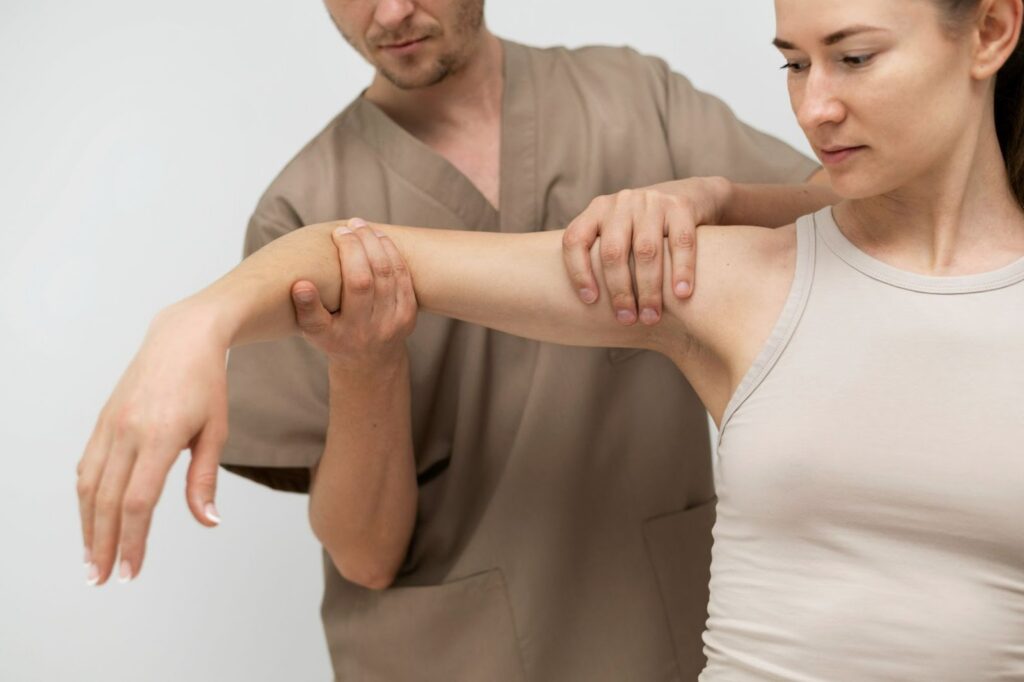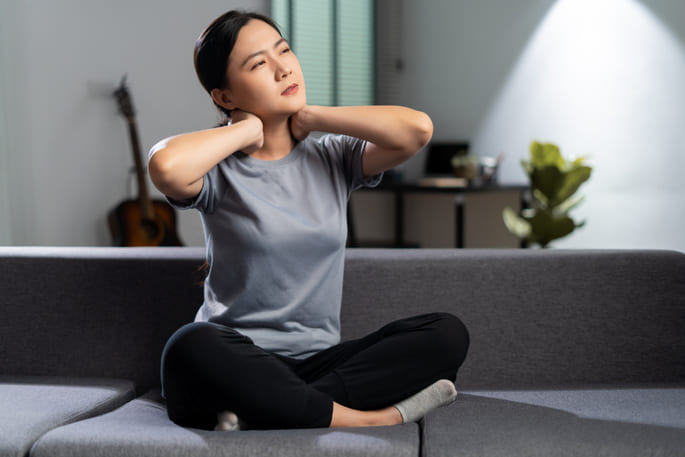
As a local chiropractor, I understand that back pain can be a frustrating and debilitating issue for many of my patients. However, I want you to know that it doesn’t have to be something you simply accept as part of your life. By incorporating some key exercises into your daily routine, you can make a significant difference in managing and preventing back pain.
These exercises focus on stretching and strengthening your core muscles, which are essential for maintaining a healthy spine and improving overall flexibility. If you’re curious about which specific movements can help you stay pain-free and support your back health, I’m here to guide you through some essential exercises that can help you feel your best. Let’s work together to create a plan that empowers you to take control of your back health and enhances your well-being naturally.
Cat-Cow Stretch
As a local chiropractor, I often recommend the Cat-Cow Stretch to my patients who are looking to alleviate back pain and enhance their flexibility. This exercise isn’t only straightforward; it also effectively engages your spine and promotes mobility, making it a valuable addition to your daily routine.
To begin, find a comfortable tabletop position on your hands and knees. Ensure your wrists are directly beneath your shoulders and your knees are spaced hip-width apart.
When you inhale, arch your back gently, allowing your belly to lower toward the floor while simultaneously lifting your head and tailbone—this is known as the “Cow” position. As you exhale, round your spine upward, tucking your chin to your chest and drawing your belly button in—this is referred to as the “Cat” position.
I encourage you to repeat this flow for several breaths, aligning your movements with your breath. Regular practice of the Cat-Cow Stretch can help loosen tight muscles and improve your overall spinal health.
Child’s Pose
As a local chiropractor, I want to introduce you to a wonderful stretch known as Child’s Pose. This gentle yet effective posture can significantly alleviate tension in your back and foster a sense of relaxation.
To practice this stretch, begin by kneeling on the floor with your big toes touching and your knees spread apart. Sit back on your heels, then gradually lower your torso forward until your forehead rests on the ground. You can either extend your arms in front of you or let them rest comfortably alongside your body.
While you hold this position, take deep breaths and concentrate on allowing your back to relax and sink deeper into the stretch. Aim to hold Child’s Pose for 30 seconds to a minute. During this time, you’ll likely notice the tension in your spine melting away, and your body beginning to unwind.
Child’s Pose isn’t solely about improving flexibility; it also serves as an excellent tool for calming your mind and alleviating stress.
I encourage you to incorporate this pose into your daily routine. It’s a simple yet powerful way to support your overall well-being and help prevent back pain, complementing the chiropractic care I provide.
Bird-Dog Exercise
As a local chiropractor, I want to share with you an effective exercise that can greatly benefit your spinal health and overall stability: the Bird-Dog exercise.
This movement isn’t only excellent for strengthening your back but also helps improve coordination between your upper and lower body, which is essential for maintaining balance and preventing injuries.
Here’s how to perform the Bird-Dog exercise effectively:
- Start on all fours, ensuring your hands are positioned directly under your shoulders and your knees are aligned under your hips.
- Keep your back straight as you extend your right arm forward and your left leg back at the same time. Aim to create a straight line from your fingertips to your toes.
- Hold this position for a few seconds, concentrating on your balance and stability. This engagement of your core muscles is crucial for supporting your spine.
- Slowly return to the starting position, and then switch sides, extending your left arm and right leg.
I recommend repeating this sequence 8-12 times on each side.
Incorporating the Bird-Dog exercise into your routine can play a vital role in preventing back pain by strengthening the muscles that support your spine.
It’s a simple yet powerful way to enhance your overall well-being. I encourage you to give it a try and notice the positive impact it can have on your body!
Plank
As a chiropractor, I often emphasize the importance of proper posture and core strength in preventing back pain.
One exercise that stands out is the plank. Mastering the correct form not only engages your core effectively but also helps build strength in crucial areas that support your spine.
Additionally, experimenting with different variations of the plank can significantly improve your overall stability and endurance.
This kind of proactive approach to your physical health can complement chiropractic care and contribute to a healthier, pain-free lifestyle.
Proper Plank Form
As a local chiropractor, I want to share how a solid plank can significantly enhance your core strength and promote better back health.
It’s essential to perform this exercise correctly to reap its full benefits. Here are some key points to consider for maintaining proper form:
- Align Your Body: Imagine a straight line running from your head to your heels. It’s crucial to keep your head, shoulders, hips, and heels aligned. Avoid any sagging or arching of your back, as this can lead to strain.
- Engage Your Core: Think of your abdominal muscles as a protective shield. Tighten them as if you’re bracing for an impact. This engagement helps stabilize your spine and supports healthy posture.
- Keep Your Elbows Under Shoulders: Position your elbows directly beneath your shoulders. This alignment helps distribute your weight evenly, reducing the risk of injury and strain on your joints.
- Breathe Steadily: Remember, breathing is vital! Avoid holding your breath during the exercise. Instead, focus on taking deep, even breaths throughout the plank hold, which will help you maintain endurance and enhance your overall performance.
Incorporating these tips into your plank routine can support your journey towards a healthier spine and stronger core.
If you have any questions about how to integrate these exercises into your wellness routine, feel free to ask!
Variations for Strength
As a local chiropractor, I want to emphasize the importance of core strength in maintaining a healthy spine and preventing back pain. One effective way to enhance your core strength is through plank exercises, starting with proper form. A basic plank lays a strong foundation, but there are several variations you can incorporate to target different muscle groups.
First, consider the side plank. This variation is excellent for strengthening your obliques, which are crucial for spinal stability. To perform a side plank, balance on one forearm while stacking your feet, ensuring your body forms a straight line.
Next, you can try the plank with leg lifts. From the standard plank position, lift one leg at a time. This engages not just your core, but also your glutes and lower back, promoting overall stability.
For those looking for a bit more challenge, the plank to push-up shift is a great option. This movement alternates between a plank and a push-up position, engaging multiple muscle groups and enhancing your strength further.
Another fun variation is the plank jacks, where you jump your feet out and in while maintaining your plank form. This exercise not only builds strength but also improves your endurance, which is vital in supporting your spine during daily activities.
Incorporating these plank variations into your routine can significantly enhance your core strength, stability, and endurance, all of which are essential in preventing back pain and promoting overall spinal health.
Bridge Pose
As a chiropractor, I want to share with you the benefits of Bridge Pose, a simple yet effective exercise that can significantly improve your spinal health and overall well-being.
This pose not only strengthens your lower back and glutes but also promotes flexibility in your spine, which is essential for maintaining good posture and stability.
Here’s how you can incorporate Bridge Pose into your routine to alleviate back pain and enhance your physical stability:
- Start by lying on your back with your knees bent and feet flat on the floor, positioned hip-width apart. This position helps to align your spine and prepare your body for the movement.
- Press your feet firmly into the ground as you lift your hips toward the ceiling. Engage your glutes and core muscles during this lift. This activation is crucial for supporting your lumbar spine and improving strength in these key muscle groups.
- Hold this position for 20-30 seconds while breathing deeply. Focus on maintaining the lift as you inhale and exhale, which can help you connect with your body and promote relaxation.
- Gently lower your hips back to the mat, allowing yourself to feel the stretch in your spine as you return to the starting position. This controlled descent is important for maintaining spinal health and preventing strain.
Incorporating Bridge Pose into your daily routine can lead to significant improvements in your posture, reduce discomfort, and enhance your overall physical health.
Seated Forward Bend
As a local chiropractor, I want to introduce you to the Seated Forward Bend, a fantastic way to enhance your flexibility and alleviate tension in your spine after strengthening your lower back with Bridge Pose.
This simple exercise can be a great addition to your routine for maintaining spinal health.
Start by sitting comfortably on the floor with your legs extended straight in front of you. It’s important to keep your back straight and your shoulders relaxed.
On your inhale, reach your arms overhead to help lengthen your spine. As you exhale, gently hinge at your hips and lean forward while ensuring your back remains straight.
You can reach for your feet, shins, or thighs—whichever feels most comfortable for you. It’s crucial not to force your body; instead, allow it to find its natural edge.
Hold this position for 20-30 seconds while focusing on deep, calming breaths. You should feel a gentle stretch along your spine and hamstrings.
Incorporating the Seated Forward Bend into your routine can significantly improve your flexibility, promote relaxation, and help relieve stress.
These benefits contribute to overall spinal health, which is essential for preventing back pain.
Remember, consistency is key; practicing this stretch regularly will help you feel a noticeable difference over time.
If you have any questions about integrating this or other exercises into your wellness routine, feel free to ask!
Standing Hamstring Stretch
As a local chiropractor, I often see how tight hamstrings can contribute to back pain, making it crucial to incorporate the Standing Hamstring Stretch into your daily routine for better flexibility and spinal health.
This simple yet effective stretch helps relieve tension in your hamstrings, which can lead to improved posture and reduced strain on your back.
Let me guide you through how to perform it correctly:
- Start by standing tall with your feet hip-width apart.
- Gently bend at your hips, ensuring your back remains straight, and reach down toward your toes.
- Hold this position for 15-30 seconds, focusing on the sensation in the back of your legs.
- Gradually return to a standing position and repeat the stretch 2-3 times.
Incorporating the Standing Hamstring Stretch into your routine not only enhances your flexibility but also boosts blood circulation in your legs.
By making this stretch a regular habit, you’re actively protecting your back and promoting your overall well-being.
Wall Angels
As a local chiropractor, I want to share with you the importance of Wall Angels and how they can significantly benefit your back health. When you practice Wall Angels, it’s crucial to maintain proper form to fully enjoy the advantages of this exercise. Not only does it strengthen your upper back, but it also plays a vital role in improving your posture over time.
Allow me to guide you through the effective execution of Wall Angels. This simple yet powerful movement can help alleviate tension in your shoulders and upper back, which is essential for maintaining a healthy spine.
By incorporating Wall Angels into your routine, you can foster better alignment and support for your entire body. Understanding these exercises and their impact on your health is a key part of natural healing.
I encourage you to give Wall Angels a try and notice the positive changes they can bring to your overall well-being.
Proper Form Importance
As a local chiropractor, I want to emphasize the importance of proper form when practicing Wall Angels, as it plays a crucial role in maximizing the benefits of the exercise and preventing potential injuries.
By ensuring your posture is aligned, you can effectively target the muscles that need attention. Here are four essential tips to keep in mind:
- Feet Flat: Make sure your feet are flat against the wall. This not only provides stability but also helps to engage your core effectively.
- Back Contact: It’s important to keep your lower back in contact with the wall. This will prevent any unnecessary arching, which can lead to discomfort or injury.
- Shoulder Position: Relax your shoulders and keep them down. This will help reduce tension in your neck and allow for a more fluid movement during the exercise.
- Arm Movement: Move your arms in a slow and controlled manner. Avoid any jerky motions, as these can strain your muscles and counteract the benefits of the exercise.
Benefits for Posture
As a local chiropractor, I want to share the incredible benefits of an exercise called Wall Angels, especially for those of you who find yourselves sitting for long hours at a desk. This simple yet effective movement can play a significant role in improving your posture.
Wall Angels work to strengthen the muscles in your upper back and shoulders, effectively counteracting the common slouch that often develops from extended periods of sitting. By incorporating Wall Angels into your routine, you can enhance your spinal alignment, which is crucial for overall body function and health.
Moreover, you’ll likely notice a boost in flexibility within your shoulder joints, making it easier for you to maintain an upright and confident posture throughout your day. As you practice this exercise, pay close attention to squeezing your shoulder blades together; this action helps retrain your muscles and supports proper alignment.
Side Plank
As a local Chiropractor, I want to introduce you to an incredibly effective exercise known as the side plank. This exercise not only strengthens your core but also stabilizes your spine, making it a fantastic option for preventing back pain and enhancing your overall well-being.
By engaging various muscle groups, the side plank can significantly improve your stability and posture, which are crucial components of a healthy spine.
Here’s how to perform a side plank effectively:
- Start Position: Begin by lying on your side with your legs straight, ensuring that your feet are stacked on top of one another.
- Lift Your Body: Prop yourself up on your elbow, making sure it’s positioned directly under your shoulder. Lift your hips off the ground, creating a straight line from your head down to your heels.
- Engage Your Core: Tighten your abdominal muscles and hold this position for 20-30 seconds. It’s important to maintain a straight alignment to maximize the benefits.
- Switch Sides: After holding, gently lower your hips back down and switch to the other side to ensure both sides of your core are engaged.
Incorporating side planks into your exercise routine can have a profound impact on your back health and overall strength.
As your chiropractor, I encourage you to embrace these natural healing methods to support your body’s alignment and functionality. Let’s work together to enhance your health and prevent discomfort!
Thoracic Spine Rotation
As a local chiropractor, I want to share with you the importance of maintaining a healthy thoracic spine for overall back health. Building on the strength you gain from exercises like the side plank, incorporating thoracic spine rotations into your routine can significantly enhance your spinal mobility and flexibility.
This is vital for maintaining proper posture and alleviating strain on your lower back, which many of us experience in our daily lives.
To perform a thoracic spine rotation, find a comfortable seated position—either in a chair or on the floor with your legs crossed. Place your right hand on your left knee and your left hand behind you for support. Gently twist your torso to the left, using your hand on your knee to help deepen the stretch. Hold this position for a few seconds, then return to the center.
Repeat on the other side. I recommend aiming for 5-10 repetitions on each side.
Integrating thoracic spine rotations into your regular exercise routine can help alleviate stiffness and foster better alignment throughout your spine. This proactive approach can prevent future discomfort and support your overall well-being.
I encourage you to make this exercise a part of your daily activities for optimal results. Remember, taking care of your spine is an essential aspect of your health journey!
Conclusion
As a local chiropractor, I want to share with you the importance of incorporating these 10 exercises into your daily routine to help prevent back pain. These exercises can significantly enhance your flexibility, strengthen your core muscles, and improve your posture—all vital components for maintaining a healthy back.
It’s essential to approach these movements with consistency and mindfulness; always listen to your body as you engage in them. With dedication to this practice, not only can you alleviate tension, but you will also promote overall well-being. I encourage you to start today and embrace the benefits of a strong, flexible, and pain-free back. Remember, a proactive approach to your spinal health can make all the difference. If you have any questions or need guidance on how to perform these exercises safely, please don’t hesitate to reach out!