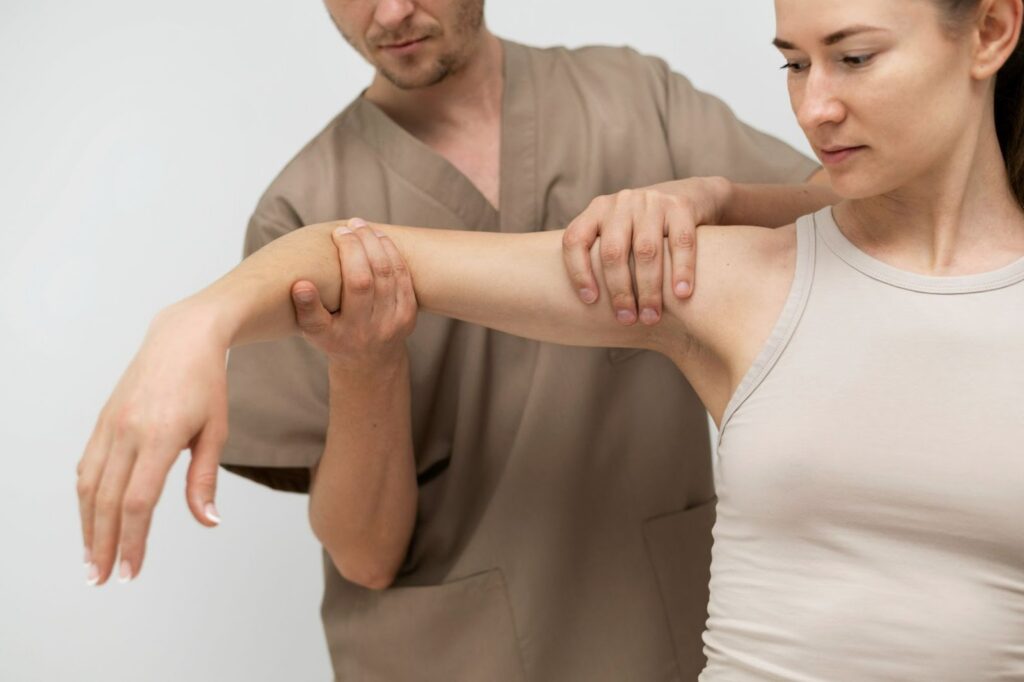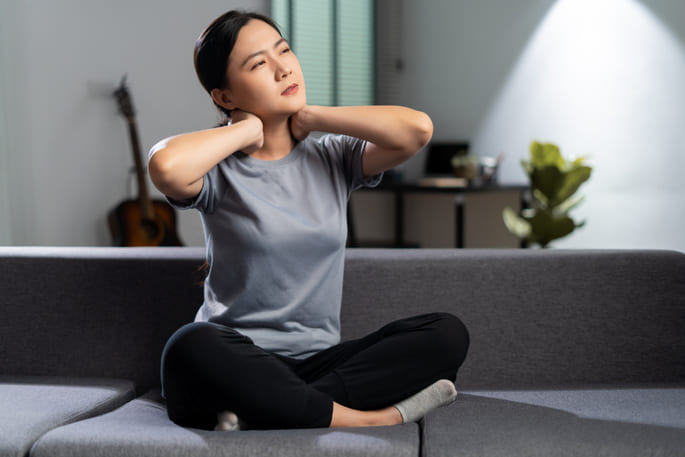
As a local chiropractor, I often see patients who struggle with back pain and the challenges it brings to their daily lives. If you’ve ever experienced this discomfort, you understand how it can hinder your activities and overall well-being. One of the key aspects of promoting back health is incorporating simple stretches into your routine. These stretches can not only alleviate tension but also enhance your flexibility and support your spine’s natural alignment.
You may wonder how certain stretches can make a difference in your comfort and mobility. Allow me to share five effective stretches that I recommend to my patients. These stretches are designed to help you feel better and can be easily integrated into your daily activities. By prioritizing these movements, you can take a proactive approach to your back health and improve your quality of life.
Cat-Cow Stretch
As a local chiropractor, I want to introduce you to a simple yet effective exercise known as the Cat-Cow Stretch. This dynamic movement not only helps relieve tension in your back but also plays a crucial role in improving your overall flexibility and spinal health.
To begin, get on all fours with your wrists comfortably aligned under your shoulders and your knees positioned directly under your hips. As you inhale, arch your back gently, allowing your belly to drop toward the floor while lifting your head and tailbone. This position is referred to as the Cow position.
Then, as you exhale, round your back by tucking your chin to your chest and drawing your belly button toward your spine, entering the Cat position. Transitioning smoothly between these two poses while synchronizing your breath is key. I recommend aiming for 5 to 10 cycles to experience the full benefits.
You’ll likely feel a gentle stretch across your back and neck, which can significantly help in releasing built-up tension and improving your posture.
Incorporating the Cat-Cow Stretch into your daily routine can be a game changer for preventing back pain and enhancing your overall well-being. Remember, natural healing through movement is an essential part of maintaining a healthy spine and body!
Child’s Pose
As a chiropractor, I often recommend Child’s Pose to my patients as one of the most soothing stretches for the back. This gentle stretch isn’t only effective in relieving tension, but it also promotes relaxation, which is essential for overall well-being.
To perform Child’s Pose, begin by kneeling on the floor with your big toes touching and your knees spread apart. Sit back on your heels, then gently lower your torso forward, allowing your forehead to rest on the mat. You can either extend your arms in front of you or let them rest alongside your body—whichever feels more comfortable.
As you engage in deep breathing, concentrate on releasing any tightness you may feel in your lower back. It’s beneficial to hold this pose for 30 seconds to a minute, allowing your body to gradually sink deeper into the stretch with each exhale.
If you experience discomfort in your knees, don’t hesitate to place a cushion or blanket beneath them for extra support.
Incorporating Child’s Pose into your routine not only helps to stretch your back but also calms your mind, making it a wonderful practice for those looking to prevent back pain.
Seated Forward Bend
As a chiropractor dedicated to promoting natural healing and overall wellness, I want to share with you an excellent stretch that can benefit your spine and hamstrings: the Seated Forward Bend. This stretch is an effective way to engage your entire back, which is crucial for maintaining spinal health.
To practice this stretch, find a comfortable spot on the floor and sit down with your legs extended straight in front of you. Start by inhaling deeply, focusing on lengthening your spine. As you exhale, hinge at your hips to gently reach forward. Aim to grasp your feet or shins while keeping your back straight.
If reaching your feet feels out of reach, don’t worry! You can use a strap or towel around your feet for assistance.
Hold this stretch for 20 to 30 seconds, continuing to breathe deeply. This will help your body relax into the position. You should feel a mild stretch along your back and hamstrings, but it’s important to avoid any pain.
This practice not only enhances flexibility but also alleviates tension, making it a valuable addition to your routine—especially for preventing back pain.
Incorporating stretches like the Seated Forward Bend into your daily life can help support your chiropractic care and promote a healthier spine. Remember, maintaining flexibility and reducing tension is key to a pain-free back!
Standing Forward Bend
As a chiropractor, I often recommend the Standing Forward Bend as a simple yet effective stretch to alleviate tension in your back and improve flexibility in your hamstrings.
Here’s how to perform this beneficial stretch in five straightforward steps:
- Start with Good Posture: Stand tall with your feet hip-width apart. Ground yourself firmly to establish a stable foundation.
- Inhale and Lengthen: Take a deep breath in, raising your arms overhead. This motion helps lengthen your spine, preparing your body for the stretch to come.
- Hinge and Fold: As you exhale, hinge at your hips and gently fold forward. If you find it difficult to reach the floor, it’s perfectly fine to keep a slight bend in your knees. This ensures that you’re not putting unnecessary strain on your back.
- Support Your Body: Allow your arms to hang freely or grasp opposite elbows for extra support. This can enhance your sense of stability and relaxation.
- Release and Breathe: Relax your neck and shoulders, letting your upper body gently release toward the floor. Hold this position for 15 to 30 seconds, taking deep breaths to deepen the stretch and promote relaxation.
When you’re ready to come out of the stretch, engage your core muscles and slowly rise back to a standing position. Raise your arms overhead once more before lowering them.
Incorporating the Standing Forward Bend into your routine can significantly alleviate back tension and enhance your overall flexibility.
It’s a great way to support your body’s natural healing processes and improve your overall well-being.
Supine Spinal Twist
As a local chiropractor, I want to share with you the benefits of the Supine Spinal Twist, an excellent stretch that can help release tension in your back and enhance spinal mobility. This simple yet effective movement is a valuable addition to your wellness routine.
To perform the Supine Spinal Twist, start by lying on your back with your arms extended out to the sides, creating a T-shape. Gently bring your knees toward your chest, then lower them to one side while ensuring your shoulders remain flat on the ground.
To deepen the stretch, turn your head in the opposite direction. Hold this position for about 20 to 30 seconds while taking deep, calming breaths. You should feel a gentle stretch along your spine and in your hips.
After holding one side, switch and repeat the movement on the other side to maintain balance in your body. This exercise not only helps alleviate tightness but also encourages relaxation, making it particularly beneficial after a long day.
Incorporating the Supine Spinal Twist into your daily routine can lead to greater flexibility and a reduction in back pain. It’s a versatile stretch that can be performed anywhere, providing relief and promoting overall well-being whenever you need it.
Conclusion
As a local chiropractor dedicated to your well-being, I want to emphasize the importance of incorporating specific stretches into your daily routine to help prevent back pain. By practicing the Cat-Cow Stretch, Child’s Pose, Seated Forward Bend, Standing Forward Bend, and Supine Spinal Twist, you can enhance your flexibility, relieve tension, and improve your overall health.
These stretches are not just exercises; they are essential components of a holistic approach to maintaining a healthy back. Consistency is crucial! I encourage you to set aside a few minutes each day for these stretches. By doing so, you may experience significant improvements in your back health and a greater sense of relaxation in your life. Remember, a proactive approach to your spinal health can lead to a happier, more active lifestyle.